
Timeline | Description |
2017 | M101 Skywheel is launched as a bold twin tower project featuring a skywheel at 220 metres with a GDV of RM2.2 billion. |
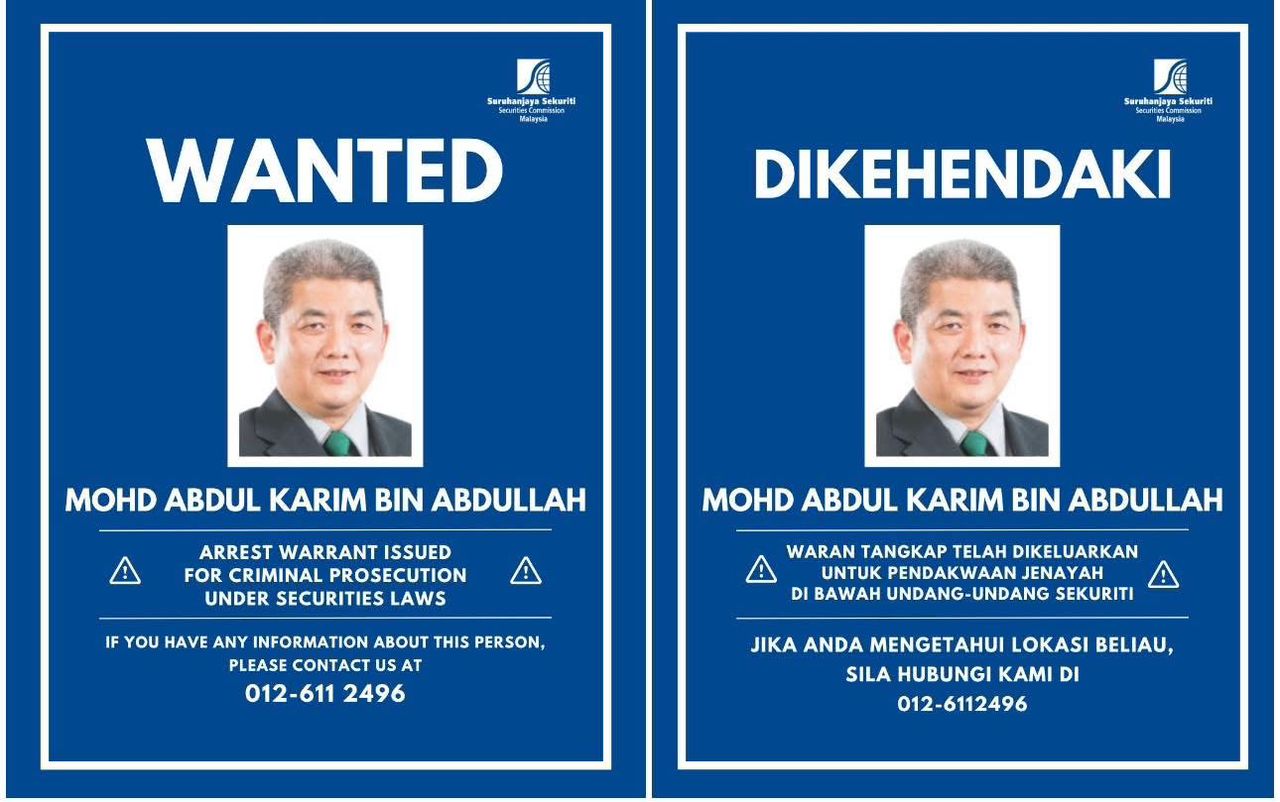
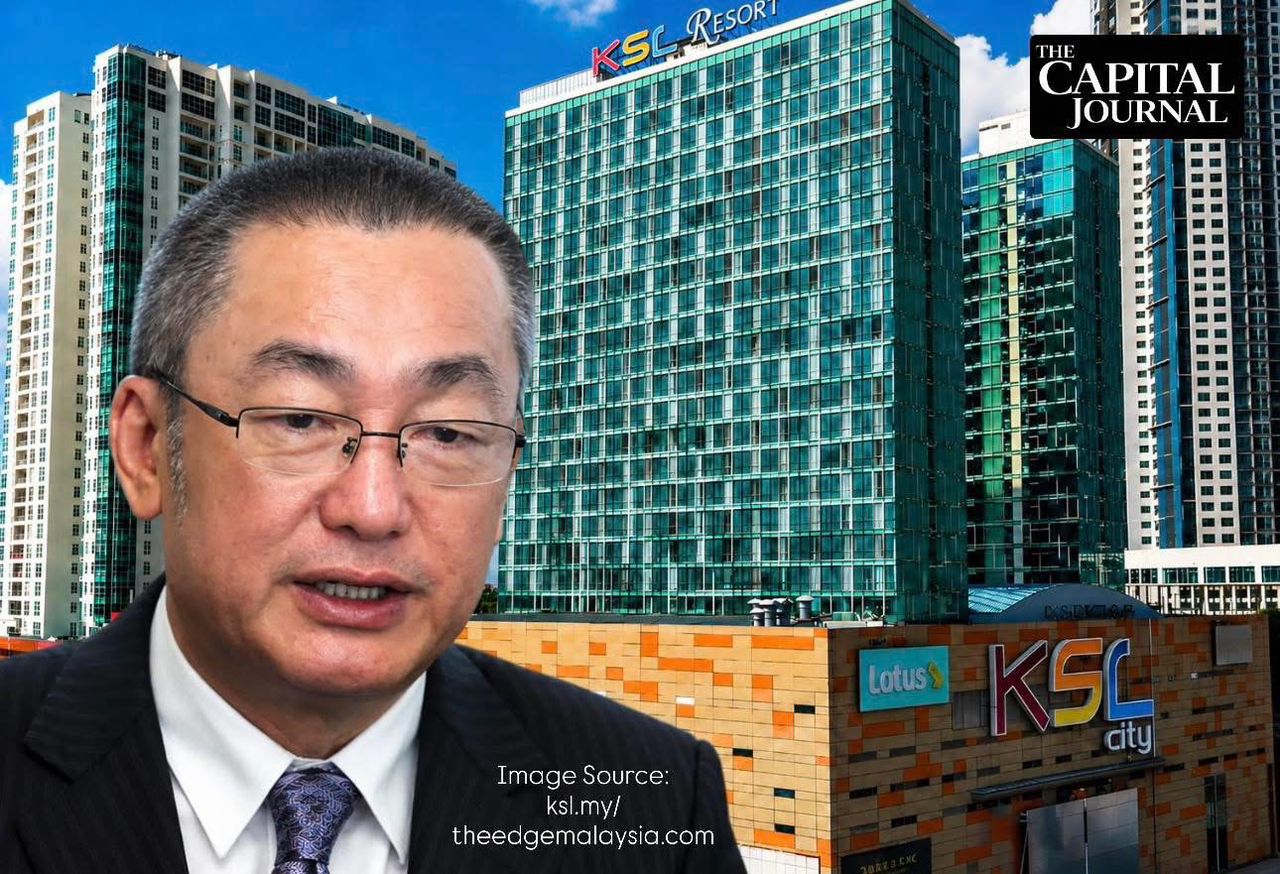
2018 | Founder Datuk Seth Yap acquired a major stake in Meda Inc, later renamed Meridian Berhad, aiming to restructure the loss making entity. |
2020 | Project momentum stalls as Meridian Berhad records continued losses and financing conditions deteriorate. |
2022 to 2023 | Construction halts completely and the project becomes abandoned before being acquired by GD Properties. |
2026 | KL360 is relaunched with a revised design and reduced GDV of RM1.37 billion, marking the project’s revival. |
Context
GD Properties has formally launched KL360, marking the revival of a long stalled landmark development in Kuala Lumpur. The project, with a revised gross development value of RM1.37 billion, replaces the failed M101 Skywheel and signals renewed investor confidence in asset recovery strategies.
The relaunch comes amid a broader trend of distressed asset revitalisation across Malaysia, where stalled mega developments are being repositioned through capital restructuring, design recalibration, and improved execution discipline.
Deep Dive
In 2017, Datuk Seth Yap Ting Hau, founder of M101 Holdings, introduced the M101 Skywheel project in Kuala Lumpur. The plan featured a 78 storey twin tower with a 220 metre skywheel installed at the 52nd floor. The concept incorporated branded design suites and themed hospitality offerings, positioning the development as a future city landmark with a GDV of RM2.2 billion.
In 2018, Seth Yap expanded into the capital market by acquiring a 25.5% stake in Meridian Berhad, previously known as Meda Inc. The move was intended to facilitate corporate restructuring and provide a financing platform for ongoing developments, including projects under the M101 brand.
In 2020, financial pressures began to surface as Meridian Berhad recorded persistent losses and market conditions weakened. The M101 Skywheel project lost momentum amid tightening liquidity and execution challenges. Although its GDV was later adjusted to approximately RM1.5 billion, the development failed to progress as planned.
From 2022 to 2023, construction activity ceased entirely, and the project became classified as an abandoned development. Investor confidence declined sharply alongside the company’s share price performance. During this period, GD Properties entered the scene and completed the acquisition of the stalled asset, positioning itself for a turnaround.
In 2024, GD Properties began repositioning the project, leveraging its experience in practical residential developments. The site, located along Jalan Raja Muda Abdul Aziz near Kampung Baru, benefits from proximity to the Raja Uda MRT station, providing direct connectivity to key commercial districts including TRX, KLCC, and Bukit Bintang.
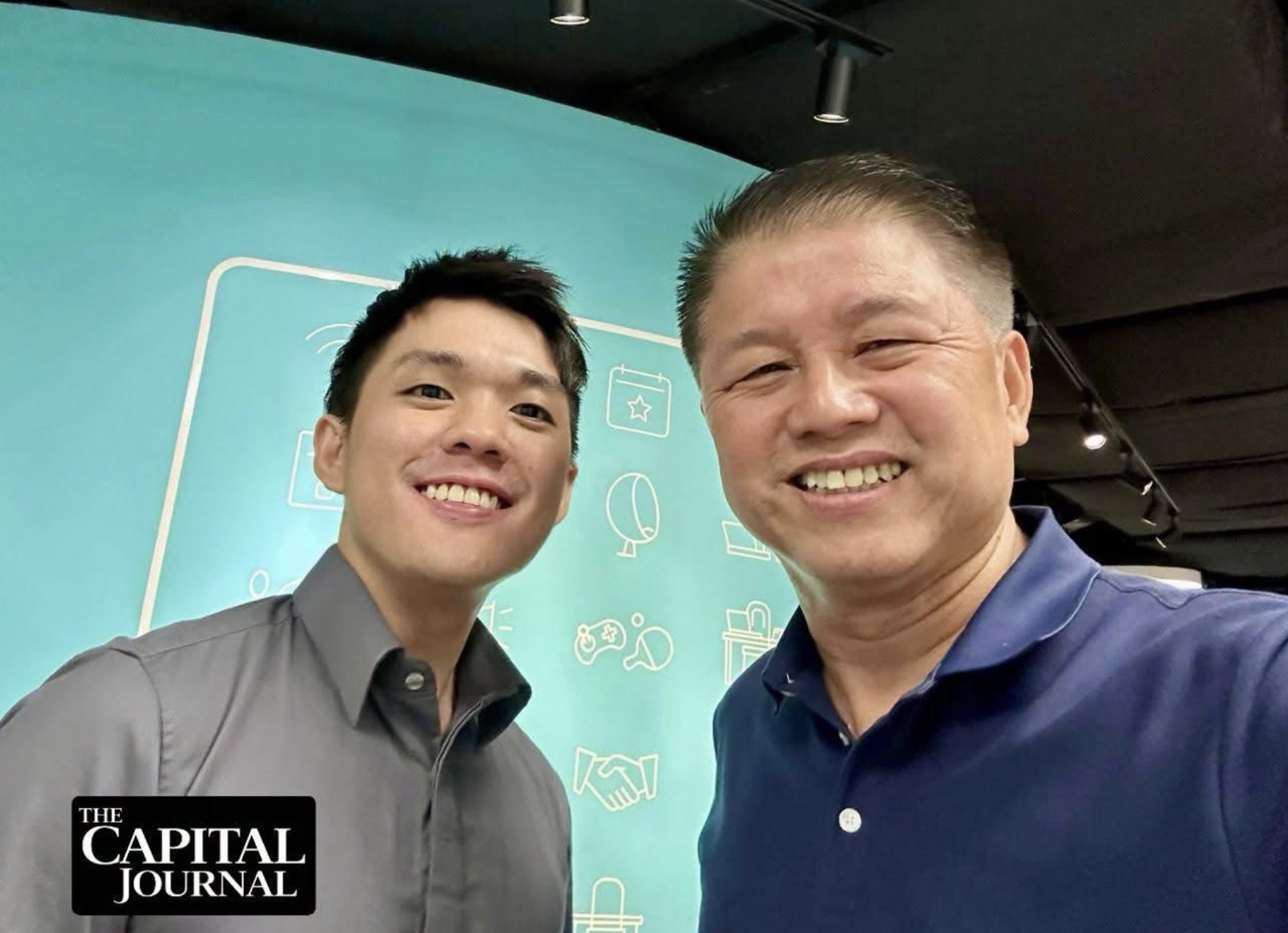
In April 2026, GD Properties officially relaunched the project as KL360. Under the leadership of Yeat Sew Chuong, the company appointed Veritas Design Group to redesign the development. The revised plan scaled down the structure to 61 storeys, removed the skywheel feature, and reset the GDV to RM1.37 billion to ensure feasibility.
In 2026, the project introduced new experiential elements such as a glass slide inspired by urban observation decks and a skyline elevator system. A total of 785 serviced apartments are planned, supported by RM182 million in financing from Bank Rakyat. Construction is expected to resume in the second half of the year, with China State Construction Engineering Malaysia appointed as the main contractor and completion targeted for 2030.
Key Takeaway
KL360 illustrates that distressed property assets can be successfully repositioned through disciplined redesign, realistic valuation, and strategic capital support.
FAQs
1. What is KL360?
KL360 is a redeveloped mixed use project in Kuala Lumpur, replacing the abandoned M101 Skywheel.
2. Why did M101 Skywheel fail?
The project stalled due to financial losses, weak market conditions, and execution challenges.
3. Who revived the project?
GD Properties acquired and redesigned the development to restore its viability.
4. What changes were made in the new plan?
The height was reduced, the skywheel feature removed, and the overall GDV scaled down.
5. What does this mean for the property market?
It reflects a growing trend of reviving distressed assets through restructuring and improved execution.