Timeline | Description |
2010 | Mammoth Empire Holdings Sdn Bhd gained prominence with Empire Subang, introducing a modern retail concept. The success reinforced confidence in large scale, high leverage expansion. |
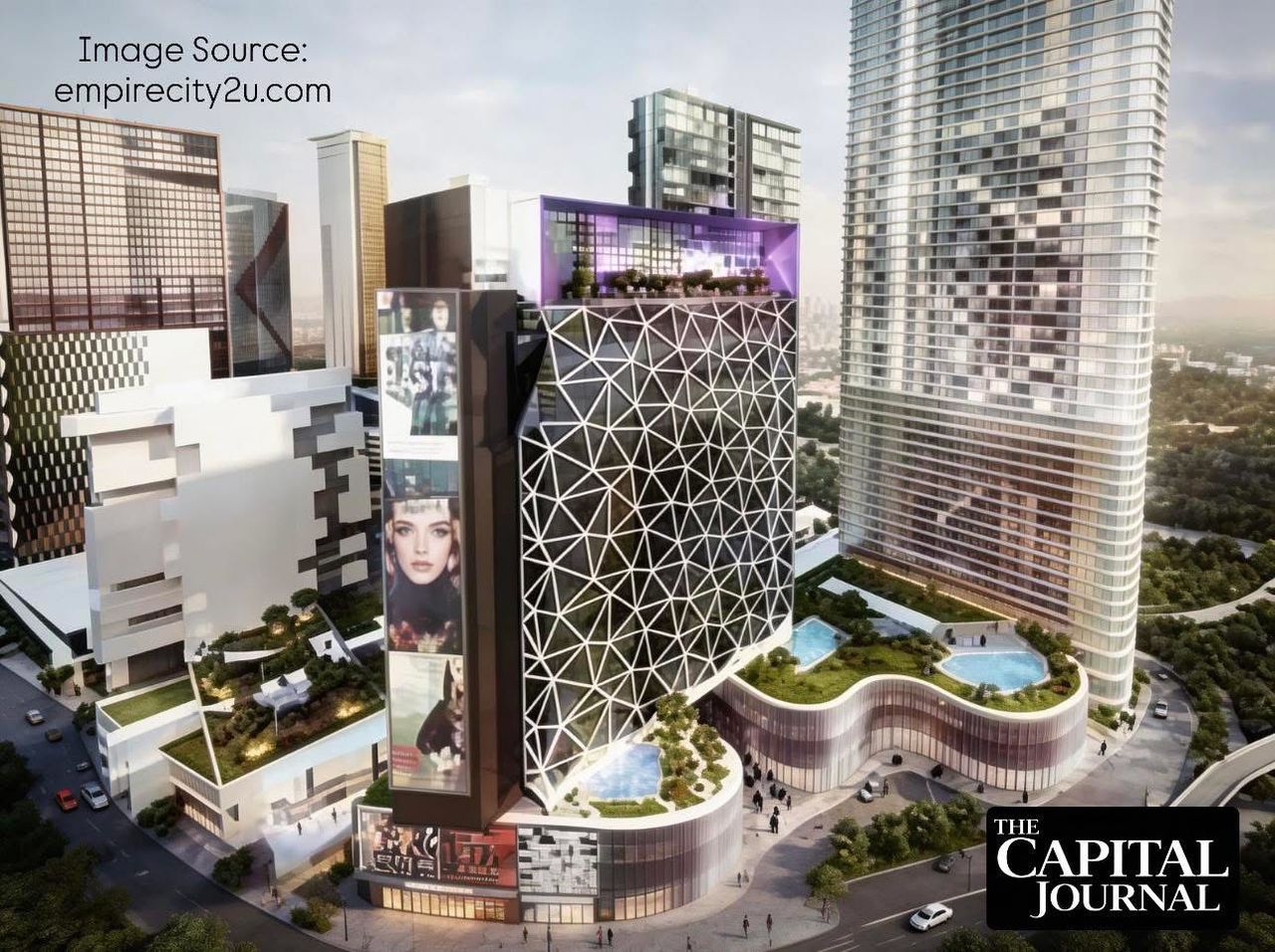
2011 | Empire City Damansara was launched as a RM5 billion integrated development. The project combined retail, hospitality and lifestyle components but imposed heavy cash flow demands. |
2013 | Expansion into Johor through Empire City Johor began amid Iskandar Malaysia growth. The project stalled early due to funding constraints, leaving the site abandoned. |
2017 | The flagship Empire Shopping Gallery was sold to Pelaburan Hartanah Berhad to raise RM570 million. The planned buyback was not executed due to continued liquidity pressure. |
2021 to 2025 | Hextar Group and Exsim Group entered Empire City Damansara, restructuring assets and restoring activity through new capital and repositioning strategies. |
Context
Malaysia property sector has periodically experienced cycles where ambition expands faster than capital discipline. Large scale integrated developments promise transformation, but their success depends on sustained liquidity and execution control. When these conditions fail, projects can fragment, leaving assets to be restructured by new stakeholders over time.
Deep Dive
In 2010, Mammoth Empire Holdings Sdn Bhd rose to prominence following the success of Empire Subang. The development introduced a contemporary retail format characterised by glass façade design and integrated commercial space. This success elevated the group standing and reinforced confidence in scaling through leverage.
In 2011, the group launched Empire City Damansara, a RM5 billion integrated development in Damansara Perdana. The project envisioned more than two million square feet of retail space, an Olympic standard ice rink and luxury hospitality components linked to international operators such as Marriott International and Ritz Carlton. The scale of the project required continuous funding inflows, placing sustained pressure on cash flow management.
In 2013, expansion extended to Johor with the launch of Empire City Johor in Skudai, aligned with Iskandar Malaysia growth momentum. However, as financial strain intensified at the group level, the project stalled at an early stage. Construction remained incomplete, leaving the site undeveloped and reflecting the limits of overextension.
In 2013, residential components within Empire City Damansara, including landed units, were completed but faced operational challenges. Delays in infrastructure obligations resulted in management gaps, requiring resident led initiatives to maintain the area. This highlighted the downstream impact of financial strain beyond construction.
In 2014, the group expanded internationally by acquiring land on Elizabeth Street in Melbourne for RM121 million, with plans for a high rise residential tower. However, by 2017, the asset and its development rights were divested to service domestic debt obligations, illustrating the strain on liquidity.
In 2017, the group sold Empire Shopping Gallery to Pelaburan Hartanah Berhad for RM570 million under an agreement that included a five year repurchase option. The inability to exercise this option due to continued cash flow pressure resulted in permanent disposal, with the asset later rebranded as NU Empire.
In 2019, funding constraints led to the suspension of Empire Remix, further reflecting the group financial position. The project was subsequently divided, with one portion restructured by new developers while another remained stalled for an extended period. This fragmentation demonstrated how capital stress can lead to asset level disintegration.
In 2021, Hextar Group entered Empire City Damansara by acquiring significant stakes in retail components and assuming operational control. The mall was rebranded as Hextar World, with repositioning efforts focused on tenant mix and asset utilisation. Concurrently, office assets were repurposed to support corporate occupancy, stabilising the development ecosystem.
In 2025, Exsim Group moved to acquire and reposition hospitality assets within Empire City Damansara through its listed vehicle. The strategy included capital raising of approximately RM250 million to acquire a hotel property and introduce new serviced residence brands. This approach reflected a shift towards asset recycling and capital market integration to unlock value from distressed developments.
Key Takeaway
The Empire case illustrates how large scale property ambition, when not matched by capital discipline, can lead to fragmentation rather than completion. Projects conceived as unified developments can ultimately be reassembled by multiple stakeholders over time. The outcome underscores a structural lesson within Malaysia property sector that sustainable growth depends not on scale alone, but on alignment between vision, funding and execution capacity.
FAQs
1. What caused the Empire developments to struggle financially?
Heavy reliance on leverage and continuous funding created cash flow pressure when sales or financing slowed.
2. Why was Empire Shopping Gallery sold?
It was divested to raise immediate cash to service debt obligations.
3. What happened to Empire City Johor?
The project stalled early due to funding constraints and remains largely undeveloped.
4. How was Empire City Damansara partially revived?
New stakeholders such as Hextar Group and Exsim Group injected capital and restructured assets.
5. What is the main lesson from the Empire case?
Ambition without sustainable financing and execution discipline can lead to long term project fragmentation.