Summary
| Timeline | Description |
|---|---|
| 1974 | In 1974, a small hardware stall opened in Alor Setar, laying the foundation for a family business that would evolve into Chin Hin Group. |
| 1994 | In 1994, the founder formally took control and began expanding into building material trading, shifting from retail to upstream supply. |
| 1995 | In 1995, PP Chin Hin was established to enter cement trading and logistics, adding a transport fleet and later pre mixed concrete production. |
| 2004 | In 2004, the group opened a Kuala Lumpur office, extending operations from northern Malaysia into the central region and Klang Valley projects. |
| 2008 | In 2008, the group relocated its headquarters to Kuala Lumpur to access capital markets and corporate partners. |
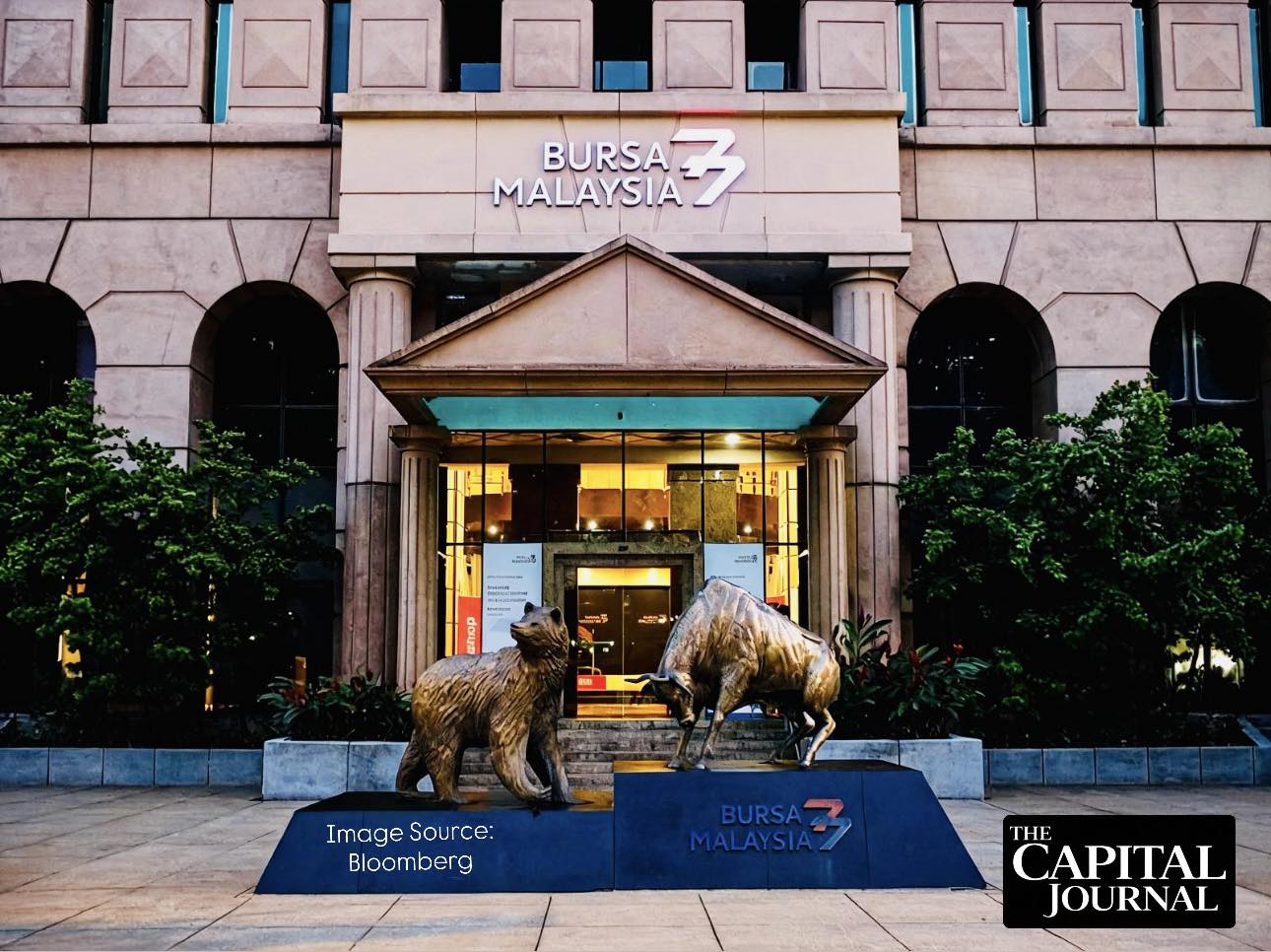
| 2016 | In 2016, Chin Hin Group listed on Bursa Malaysia and launched a RM310 million residential project, marking a structural shift to property development. |
| 2017 | In 2017, the group diversified into renewable energy and industrial manufacturing, and increased its stake in Boon Koon Group, prompting corporate realignment. |
| 2019 | In 2019, Solarvest Holdings listed, becoming a major cash generator, while the group advanced flagship property projects like 8th & Stellar. |
| 2020 | In 2020, during widespread construction shutdowns, the group monetised Solarvest shares to restore group profitability and completed Novum @ Bangsar South. |
| 2021 | In 2021, the group acquired a significant stake in Signature International to enter the home furnishing market and consolidated its property arm. |
| 2022 | In 2022, Chin Hin Group became Ajiya’s largest shareholder and acquired material stakes in Fiamma Holdings, building an end to end residential supply chain. |
| 2024 | In 2024, the group secured control of Signature International and expanded project launches to surpass RM2 billion in annual development value. |
| 2025 | In 2025, the group increased its Ajiya stake to 66.36% and launched major KLCC tower projects while divesting legacy commercial vehicle operations. |
Context
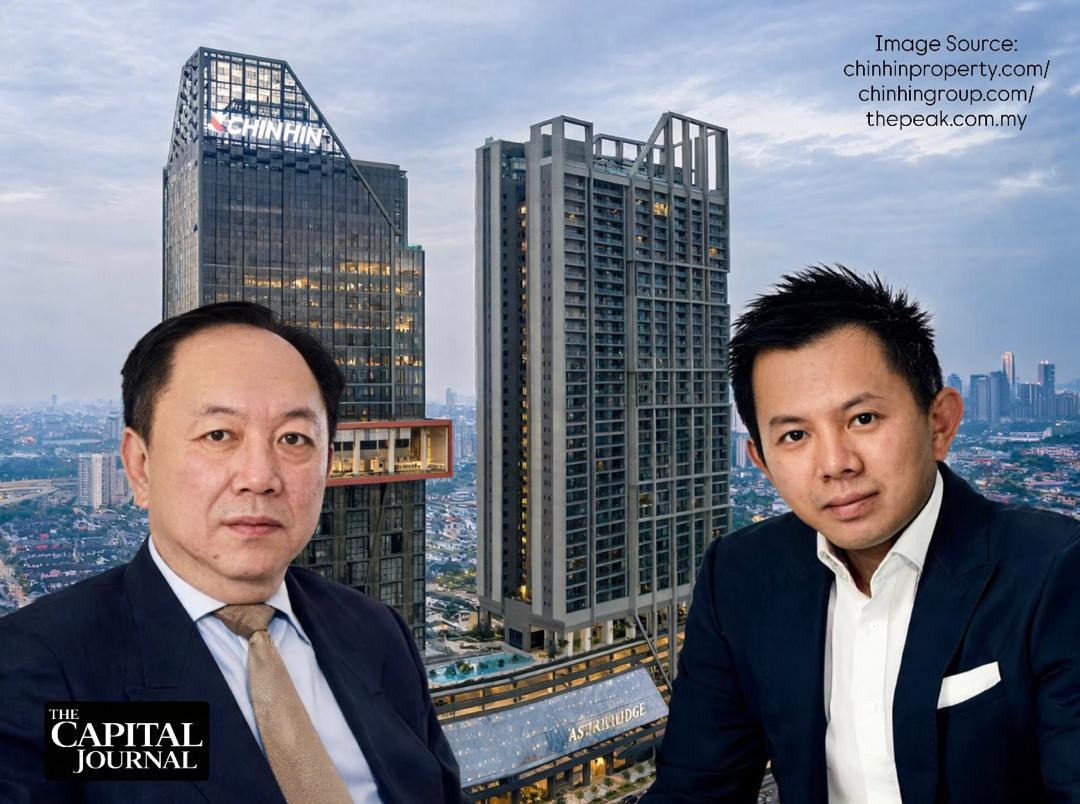
In 1974, Chin Hin Group began as a modest family hardware stall in Alor Setar. Over five decades, the group transformed through targeted upstream moves into cement and concrete, strategic factory builds, overseas technology adoption and aggressive capital market transactions. The company now operates across industrial manufacturing, building material distribution and property development, using vertical integration to retain margins and shorten cash cycles.
Deep Dive
In 1974, the original hardware stall opened in Alor Setar and the founder worked the shop from his teens. The operation remained capital light and locally focused for two decades, building trade relationships and a reputation for reliability. These early years set the commercial culture that later guided expansion decisions.
In 1994, control of the family business was formalised and the company pivoted towards upstream opportunities in construction materials. Management identified cement and bulk supply as higher margin and scalable activities. This strategic shift began the move from retail into industrial distribution.
In 1995, PP Chin Hin was established to enter cement trading and logistics, and the group invested in a dedicated transport fleet. The vertical move reduced logistics costs and increased control over deliveries. The business then progressed into pre mixed concrete, rebranding operations to serve larger project clients.
In 2004, the group opened an office in Kuala Lumpur to access the fast expanding central market and Klang Valley developments. The presence in the capital allowed direct supply to major projects and accelerated revenue growth. This geographic step was critical to transforming scale.
In 2008, the group relocated its headquarters to Kuala Lumpur to be closer to corporate clients and financial institutions. The move facilitated relationships with larger contractors and positioned the group for future capital market activity. This relocation was a deliberate part of the group s growth playbook.
In 2009, the group entered property development by undertaking the G Residence high rise project in the Klang Valley. Management used its own material supply chain to lower construction cost and manage timelines. This vertical integration became the blueprint for subsequent mixed industrial and property projects.
In 2011, the group reached consolidated revenue above RM1.0 billion and began constructing specialised factories for higher value building materials. The revenue milestone validated the integrated model and justified further investment in manufacturing capabilities. Production of technical materials became a strategic focus.
In 2012, Metex Steel began producing welded wire reinforcement, and in 2013, G Cast Concrete started producing precast elements. These facilities addressed rising demand for prefabrication and supported the group s in house projects. Manufacturing expanded the product mix and improved margin profiles.
In 2014, the group invested in advanced German machinery to produce AAC lightweight blocks, targeting the emergent green building market. The new product broadened the group s customer base in environmental construction and signalled a commitment to technology adoption. Production capacity scaled rapidly.
In 2016, Chin Hin Group listed on Bursa Malaysia main board and concurrently launched the RM310 million Aera Residences project. The listing unlocked access to institutional capital and provided a platform for larger acquisitions. The project pipeline expanded as management allocated public market proceeds to development.
In 2017, the group acquired a 45% stake in Atlantic Blue to enter solar engineering and bought several industrial manufacturers to build a diversified building material portfolio. The group also increased holdings in Boon Koon Group, initiating a governance and strategic realignment that would later convert that vehicle into a property focussed listed company.
In 2018, following the takeover of Boon Koon Group, the group led a restructuring that removed loss making automotive activities and injected quality real estate assets. The company was renamed Chin Hin Group Property to reflect a new public company focus on property development and capital efficient asset delivery.
In 2019, Solarvest Holdings listed on the ACE board and became a significant cash generator for the group despite share dilution. The group also advanced the 8th & Stellar flagship development, preparing a future corporate campus and revenue stream. Renewable energy proceeds began to underwrite other operations.
In 2020, when construction halted amid the pandemic, the group monetised Solarvest shareholdings in staged trades to shore up the parent company s cash position. Proceeds turned a quarterly loss into a profit and allowed completion of the RM575 million Novum @ Bangsar South project, demonstrating financial agility.
In 2021, the group acquired a material stake in Signature International to enter the home furnishing and custom cabinetry market, and consolidated control of its property listed vehicle. These moves completed a link between raw material supply, construction and interior fit out, strengthening intra group demand channels.
In 2022, the group invested in Ajiya and acquired a strategic stake in Fiamma Holdings to secure access to appliances and branded home electronics. The combined holdings created an end to end delivery model from raw materials to finished, fully fitted homes, reinforcing the group s integrated delivery capability.
In 2024, the group increased its holding in Signature International to achieve controlling interest and secured intra group loans from Ajiya to fund construction acquisitions. Project launches that year pushed annual development value above RM2.0 billion and reinforced the group s lead in integrated delivery.
In 2025, the group further raised its share in Ajiya to 66.36% and jointly launched high rise projects including Dawn KLCC and Divine KLCC. Concurrently, the group announced disposal of legacy commercial vehicle manufacturing operations to streamline focus on higher margin property development.
In 2026, the group continues to operate a vertically integrated model where internal manufacturing, material supply and interior systems supply feed listed and private development arms. This model retains cash within the group and raises barriers to entry for competitors.
Key Takeaway
Chin Hin Group s disciplined vertical integration and strategic use of listed vehicles have converted a provincial hardware stall into a resilient industrial and property ecosystem that captures value from raw material to finished home delivery.
FAQs
1. Who founded the original hardware stall?
The founder Chow Ming Te established the original hardware stall in 1974 and guided its evolution into Chin Hin Group through a focus on reliability and long term customer relationships.
2. What triggered Chin Hin Group s move into property development?
The group s entry into property development was driven by the ability to supply its own building materials and the opportunity to capture higher margins by integrating supply and construction under one corporate umbrella.
3. How did the group use capital markets in its growth strategy?
The group listed on Bursa Malaysia in 2016 and later used listed subsidiaries and share sales to raise funds, recycle capital and consolidate control over strategic assets.
4. What role does manufacturing play in the group s business model?
Manufacturing provides core building materials such as welded wire, precast concrete and AAC blocks, which supply internal projects and external customers, improving margins and securing supply chains.
5. How does the group deliver finished homes?
By combining Ajiya for glass and aluminium products, Signature International for fitted cabinetry and Fiamma Holdings brands for appliances, the group delivers turnkey ready homes through an integrated end to end model.