
Timeline | Description |
1993 | Serba Dinamik Holdings Berhad was founded by Mohd Karim Abdullah as a maintenance and engineering service provider. |
2017 | Serba Dinamik was listed on Bursa Malaysia, achieving rapid valuation growth post listing. |
2020 | Revenue exceeded RM8 billion, driven largely by overseas engineering contracts. |
2021 | KPMG raised concerns over RM3.5 billion in transactions, triggering a governance crisis. |
2022 | The company recorded major losses and impairments as financial stress intensified. |
2023 | Serba Dinamik was classified as PN17 and subsequently delisted from Bursa Malaysia. |
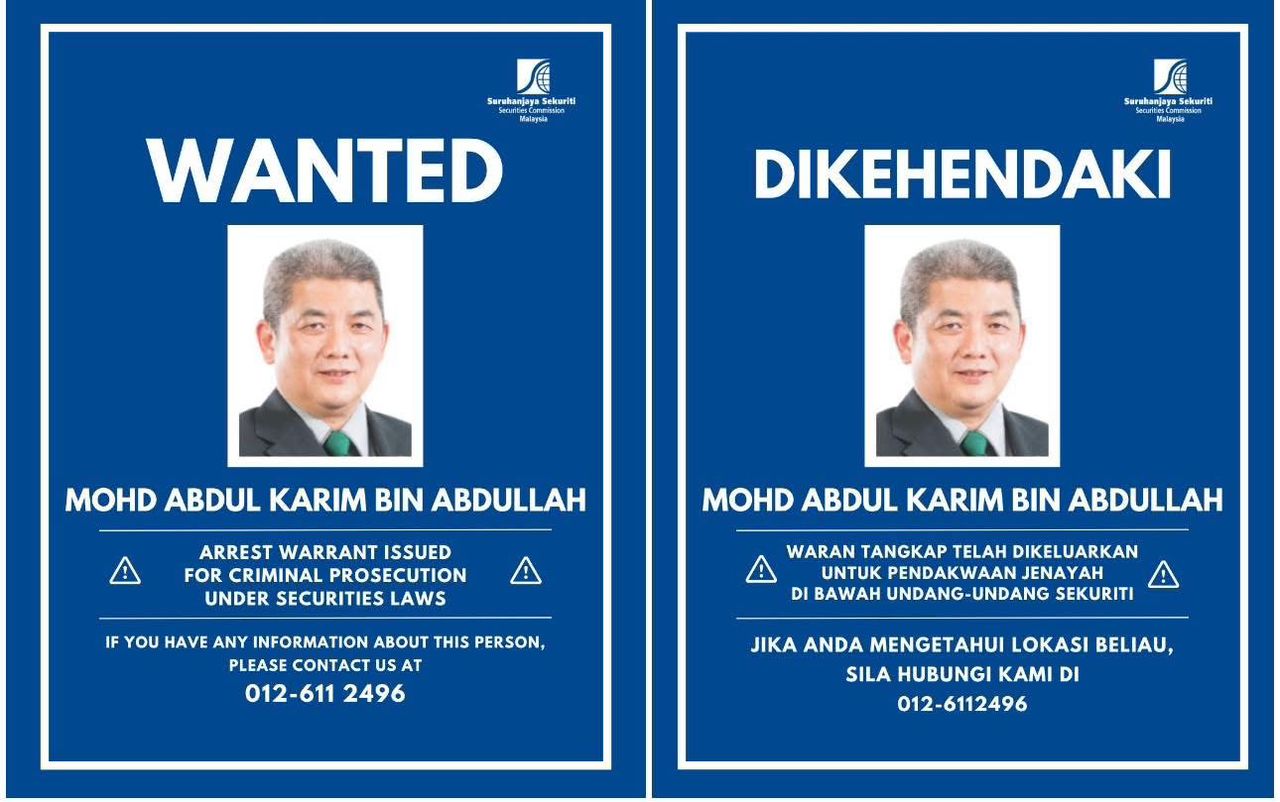
2026 | Enforcement action was taken against Mohd Karim Abdullah for alleged misleading disclosures. |
Serba Dinamik was once regarded as one of Malaysia’s fastest growing oil and gas service companies, expanding aggressively across international markets and achieving rapid revenue growth. Its trajectory from a mid sized engineering firm to a multi billion ringgit market capitalisation story, and eventual collapse, underscores the risks of growth built on weak financial transparency.
In 1993, Serba Dinamik Holdings Berhad was established by Mohd Karim Abdullah, focusing on maintenance and repair services in the oil and gas sector. The business operated on stable demand fundamentals, providing recurring industrial services.
From 2000 to 2016, the company expanded beyond Malaysia into the Middle East, India and Central Asia. Its offerings grew to include engineering and industrial solutions, positioning it as an international contractor with diversified operations.
In 2017, Serba Dinamik was listed on Bursa Malaysia with an initial market capitalisation of approximately RM600 million. Post listing, the company reported rapid growth, with revenue exceeding RM8 billion within a few years and market value rising to around RM6 billion at its peak.
From 2018 to 2020, the company continued to secure and announce overseas contracts, reinforcing investor confidence. However, a significant portion of its reported earnings was tied to international projects that were difficult to independently verify. At the same time, trade receivables expanded sharply, indicating a widening gap between reported revenue and cash collection.
In 2021, KPMG raised twelve audit queries involving approximately RM3.5 billion in transactions. These included unverified customer balances, inconsistencies in supplier records and insufficient supporting documentation for overseas revenue. Trade receivables reached approximately RM3.9 billion, exceeding 60% of annual revenue.
In June 2021, the company dismissed KPMG and appointed Ernst and Young to conduct an independent review. At the same time, it initiated legal proceedings against Bursa Malaysia, challenging regulatory directives for further investigation and disclosure.
From 2021 to 2022, the audit dispute triggered a collapse in investor confidence. Share prices declined sharply, banks tightened lending exposure and liquidity deteriorated. The company recorded a net loss of approximately RM1.1 billion in 2022, followed by continued losses in subsequent quarters.
In 2023, further impairments were recognised, including substantial write downs of receivables linked to incomplete projects. Nexia SSY issued a disclaimer of opinion on the financial statements, citing inability to verify key figures. The company was classified as PN17, with total borrowings of approximately RM3.8 billion and minimal cash reserves.
In 2023, Serba Dinamik Holdings Berhad was delisted from Bursa Malaysia, marking the end of its public market presence. Several overseas projects were halted as financing channels closed.
In 2026, enforcement action was initiated against Mohd Karim Abdullah under securities regulations for alleged submission of false or misleading information.
Serba Dinamik case highlights a critical distinction between reported growth and realised cash flow. While aggressive expansion and large contract announcements can drive valuation in the short term, sustainability depends on verifiable earnings and disciplined governance. When confidence in financial reporting breaks down, access to capital disappears rapidly, leading to systemic collapse.
1.What was Serba Dinamik’s main business?
It provided maintenance and engineering services in the oil and gas industry.
2.Why did the company grow so quickly?
It secured numerous overseas engineering contracts that boosted reported revenue.
3.What triggered the crisis?
Audit concerns raised by KPMG over unverified transactions and receivables.
4.Why were receivables a major issue?
A large portion of revenue was not converted into cash, indicating collection risks.
5. What ultimately led to its collapse?
Loss of investor confidence, tightening financing and governance failures led to delisting.
Share this post :