Timeline | Description |
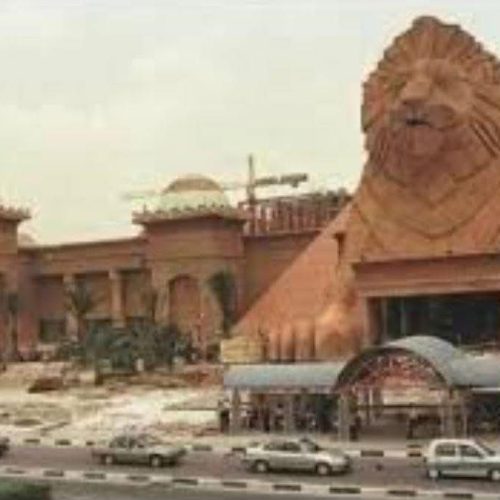
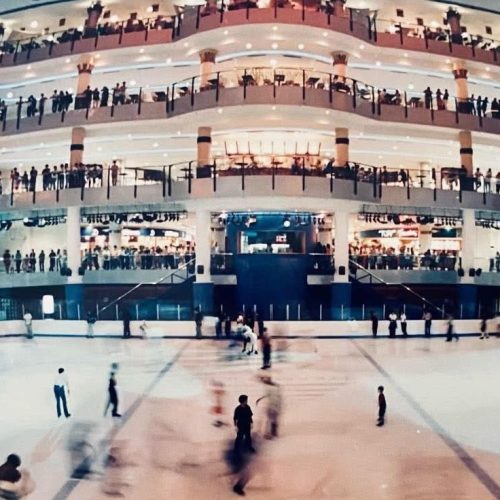
1997 | Sunway Pyramid opened with a retail and entertainment model anchored by an indoor ice rink and direct integration with Sunway Lagoon. The project positioned leisure as equal to commerce. |
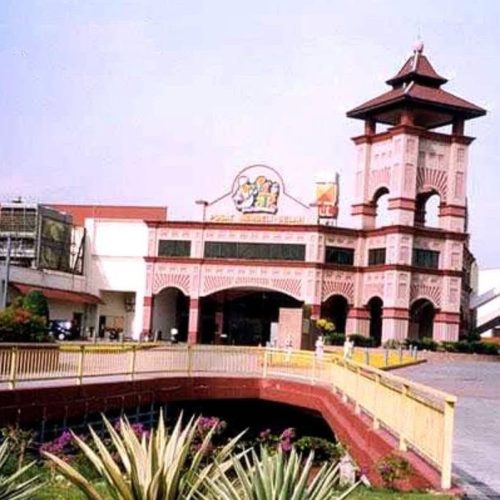
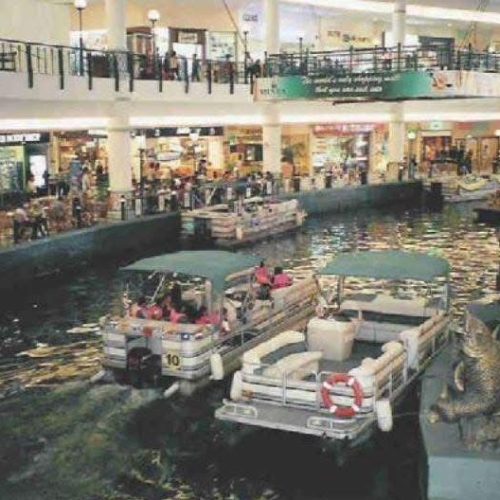
1997 | The Mines introduced Malaysia first water based shopping concept with a 420 metre indoor canal. It transformed a former tin mining site into a commercial destination. |
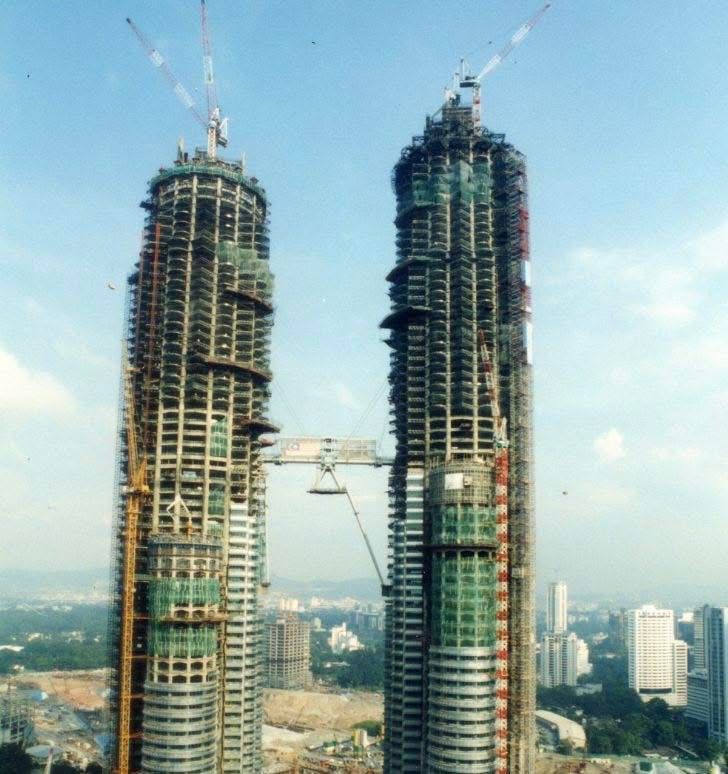
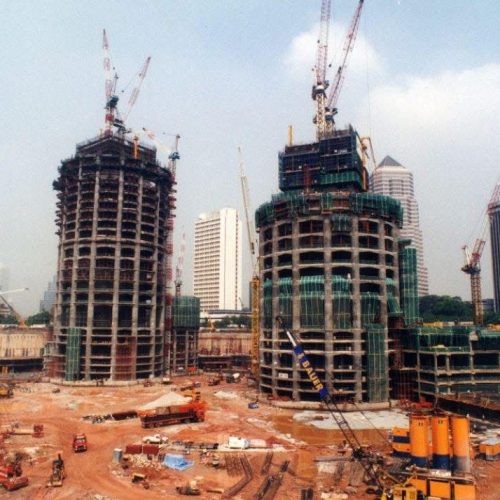
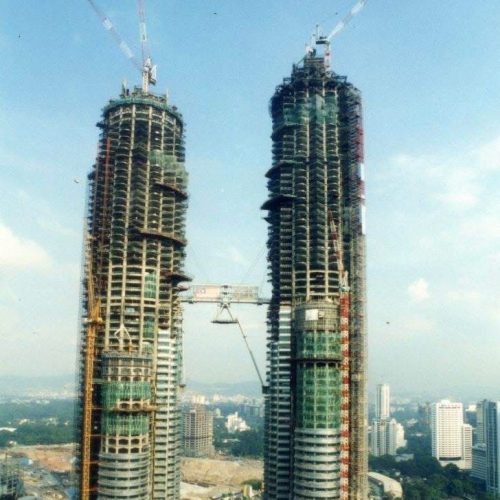
1998 | Suria KLCC opened alongside KLCC Park, dedicating prime urban land to public space. The development reflected a national vision of integrated city living. |
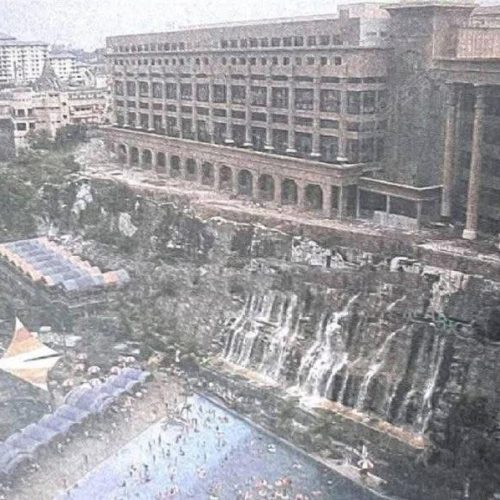
1998 | Safari Lagoon launched as Malaysia first rooftop water park. It later ceased operations following safety incidents and structural concerns. |
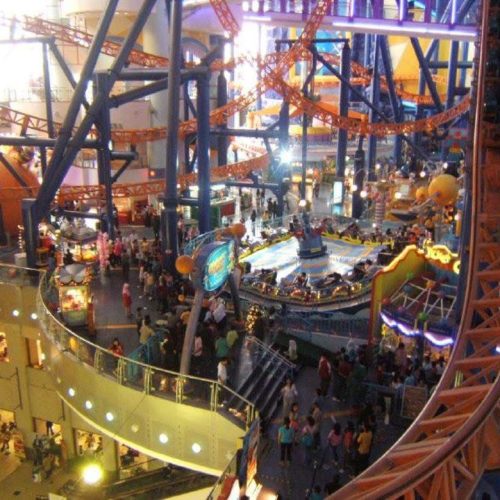
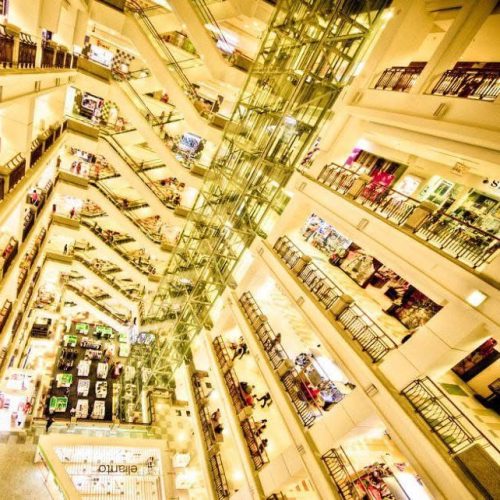
2003 | Berjaya Times Square incorporated a full scale indoor theme park. The project pushed vertical space usage and experiential retail to new limits. |
Context
Three decades ago, Malaysia retail developments were driven by bold ideas rather than standardised templates. Shopping centres were conceived as destinations where architecture, leisure and urban life converged. Today, many malls follow predictable formats. In contrast, projects from the late 1990s and early 2000s reflected a willingness to experiment with space, scale and purpose.
Deep Dive
In 1997, Sunway Pyramid redefined the role of a shopping mall in Malaysia. Rather than focusing solely on retail tenancy, the development embedded an indoor ice skating rink at its core and linked directly to Sunway Lagoon. This integration created a unified leisure ecosystem where visitors could spend an entire day within a single destination. The project signalled a shift towards experience led retail long before the concept became industry standard.
In 1997, The Mines introduced a fundamentally different approach by focusing on movement within retail space. Built on a former tin mining site, the mall featured a 420 metre indoor canal that allowed visitors to travel by boat across the complex. This design did not prioritise architectural spectacle but instead reimagined how consumers navigated commercial environments. It demonstrated how industrial heritage could be repurposed into functional urban infrastructure.
In 1998, Suria KLCC expanded the concept of retail integration to the scale of city planning. Positioned beneath the Petronas Twin Towers, the development allocated approximately 50 acres to KLCC Park. Rather than maximising commercial yield, prime land was reserved for public use, including green spaces, walking paths and a musical fountain. This decision reflected a broader vision of urban life where commercial and civic functions coexisted.
In 1998, Safari Lagoon pushed the boundaries of retail design by placing a full scale water park on a rooftop. The development featured large pools and water slides suspended above the city. However, operational challenges, including safety incidents and structural issues, led to its eventual closure. Despite its failure, the project illustrated a period when developers were willing to pursue high risk concepts in pursuit of differentiation.
In 2003, Berjaya Times Square took vertical integration further by embedding a full indoor theme park within the mall. This included roller coasters and multi level open spaces that extended through the building core. The scale and complexity of the project demonstrated a belief that retail environments could function as comprehensive entertainment hubs. Such decisions would likely face stronger financial scrutiny in the current market environment.
Key Takeaway
The defining characteristic of Malaysia earlier retail developments was not simply their scale, but their willingness to prioritise imagination over efficiency. These projects were built on confidence in long term returns and a broader belief in economic expansion. The contrast with today more standardised mall designs reflects a shift towards risk control and immediate commercial viability. Whether such bold experimentation will return depends on whether developers regain the confidence to invest ahead of certainty rather than within it.
FAQs
1. What made 1990s Malaysian malls different from today developments?
They prioritised experiential design, integrating entertainment, public space and unconventional architecture rather than focusing purely on retail efficiency.
2. Why was Sunway Pyramid considered innovative?
It combined retail with major leisure attractions such as an ice rink and a connected theme park, creating a full day destination.
3. What was unique about The Mines shopping centre?
It introduced an indoor canal system, allowing visitors to travel through the mall by boat, redefining movement within retail space.
4. Why did Safari Lagoon fail?
It faced safety incidents, structural concerns and regulatory challenges, which ultimately led to its closure.
5. Can similar ambitious mall concepts return today?
They are less common due to higher financial scrutiny and risk management, though they remain possible if market confidence strengthens.