
Timeline | Description |
1987 | QL Resources was founded by Chia Song Kun, focusing on eggs, surimi, and palm oil. |
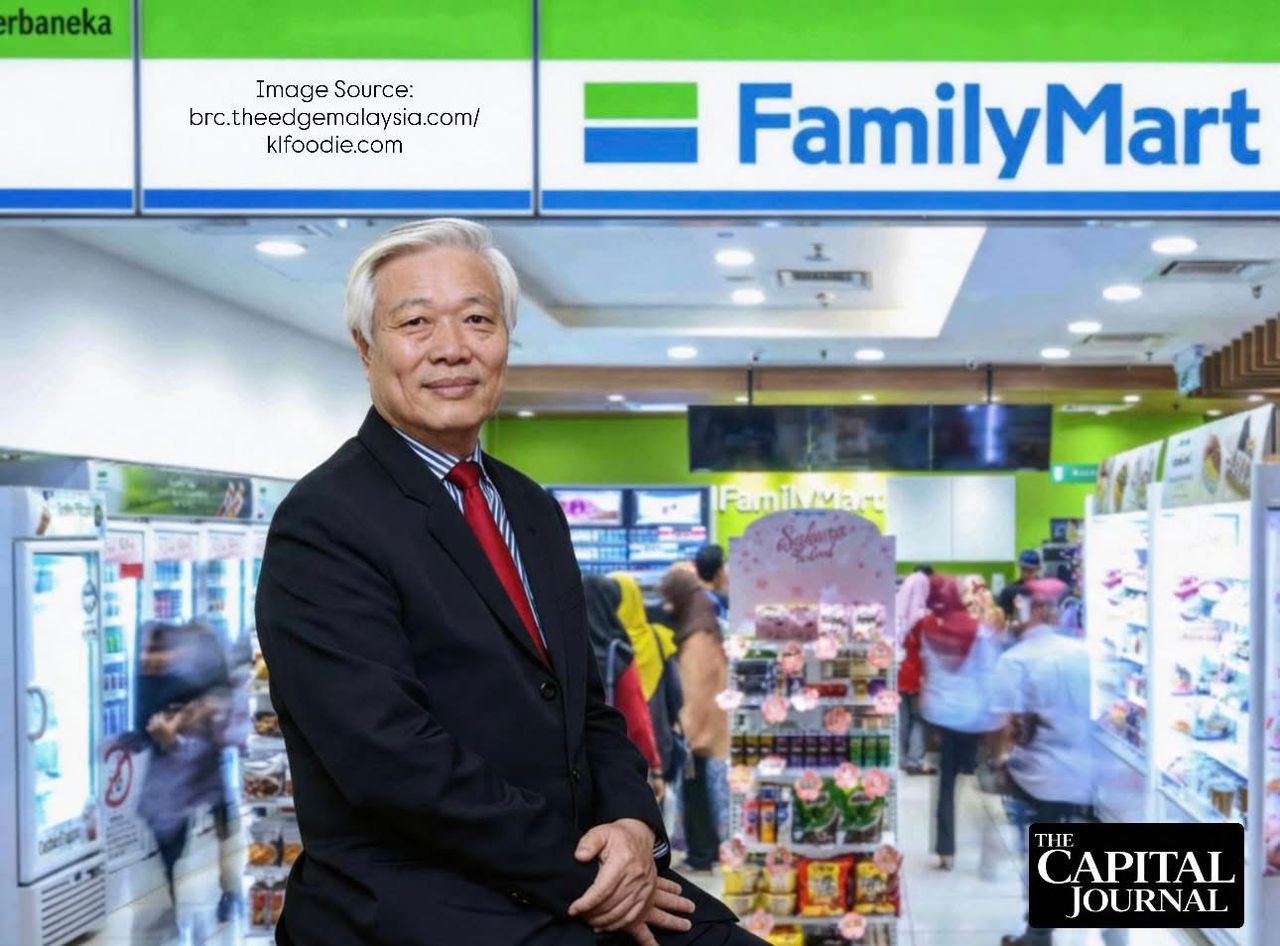
2016 | QL enters retail via a 20 year franchise agreement with FamilyMart, breaking a market long dominated by 7-Eleven. |
2019 | Central kitchen gains Halal certification from JAKIM, unlocking mass market access. |
2021 | FamilyMart reaches 300 stores, supported by integrated supply chain and cold chain infrastructure. |
2027 | Store network projected to reach 600 outlets, reinforcing QL’s shift towards higher margin retail dominance. |
For over three decades, QL Resources built its foundation on scale and efficiency in upstream agribusiness. Its core operations in eggs, surimi, and palm oil positioned it as one of the largest producers in Asia. However, this upstream dominance came with structural limitations. Profit margins remained vulnerable to commodity cycles, feed costs, and global price volatility.
Recognising these constraints, Chia Song Kun identified the need to move downstream. The objective was clear. Convert raw agricultural output into branded, ready to eat products with stronger pricing control and recurring cash flow. The vehicle for this transformation was FamilyMart.
In 1987, QL Resources was established with a singular focus on production efficiency. The company scaled aggressively in egg farming and surimi processing, becoming a dominant supplier across regional markets. However, its role remained that of a price taker, exposed to fluctuations in input costs such as corn feed and commodity benchmarks.
In 2016, the company made a decisive move into retail through its subsidiary Maxincome, securing a long term franchise agreement with FamilyMart. At the time, Malaysia’s convenience store sector was overwhelmingly controlled by 7-Eleven, which operated over 1,700 outlets and commanded more than 80 percent market share. Yet, the ready to eat segment remained underdeveloped, presenting a strategic gap.
In November 2016, the first FamilyMart outlet opened in Bukit Bintang, Kuala Lumpur. Unlike the high density, small format approach of incumbents, QL positioned FamilyMart in high traffic urban locations with a distinct Japanese Konbini concept. More than half of its revenue was driven by ready to eat offerings, which carried significantly higher margins than traditional convenience store products. This model required strict operational discipline, particularly in inventory management and waste control.
In 2019, a critical milestone was achieved when QL’s central kitchen obtained Halal certification from JAKIM. This certification expanded FamilyMart’s addressable market to include the majority Muslim population in Malaysia. It marked a strategic inflection point, transforming the brand from a niche foreign concept into a mass market retail platform with nationwide relevance.
In 2021, FamilyMart reached 300 stores, completing its initial five year expansion phase. This growth was underpinned by approximately RM100 million in investments into cold chain logistics and centralised food production. Advanced demand forecasting systems were deployed to optimise inventory and minimise wastage at the store level. The retail network effectively became an extension of QL’s production ecosystem. Products such as fish cakes and eggs were sourced directly from its own facilities, forming a vertically integrated supply chain from farm to consumer.
In 2023, the competitive landscape began to shift as rivals responded. 7-Eleven expanded its 7 Cafe concept, focusing on fresh coffee and hot food to retain younger consumers. myNEWS Holdings partnered with CU to introduce Korean style offerings, while KK Super Mart upgraded store formats and explored capital market expansion. Competition moved beyond store count towards product innovation and customer experience.
In 2027, FamilyMart is projected to reach 600 outlets nationwide. By this stage, QL’s strategy becomes fully visible. The company is no longer merely a supplier of raw food products but a fully integrated consumer brand operator. Its control over upstream resources provides a natural hedge against inflationary pressures, allowing it to stabilise costs in ways that pure retail competitors cannot replicate.
QL Resources’ expansion into FamilyMart represents a strategic shift from commodity dependency to brand driven pricing power, achieved through full vertical integration from production to retail.
1.Why did QL Resources enter the convenience store business?
To move downstream and capture higher margins by converting raw agricultural products into branded ready to eat food.
2.What makes FamilyMart different from traditional convenience stores?
Its focus on fresh, ready to eat food generates higher margins and positions it as a lifestyle driven retail concept.
3.Why is Halal certification important?
It allows FamilyMart to serve the majority Muslim population in Malaysia, significantly expanding its customer base.
4.How does QL Resources benefit from vertical integration?
It controls the entire supply chain, reducing cost volatility and improving margin stability.
5.What is the long term strategy behind FamilyMart?
To transform QL from a commodity producer into a consumer facing brand with pricing power and sustainable earnings growth.
Share this post :