
Timeline | Description |
1987 | SDS Group Berhad was founded by Tan Kim Seng and Tan Kim Chai, starting as a local bakery business. |
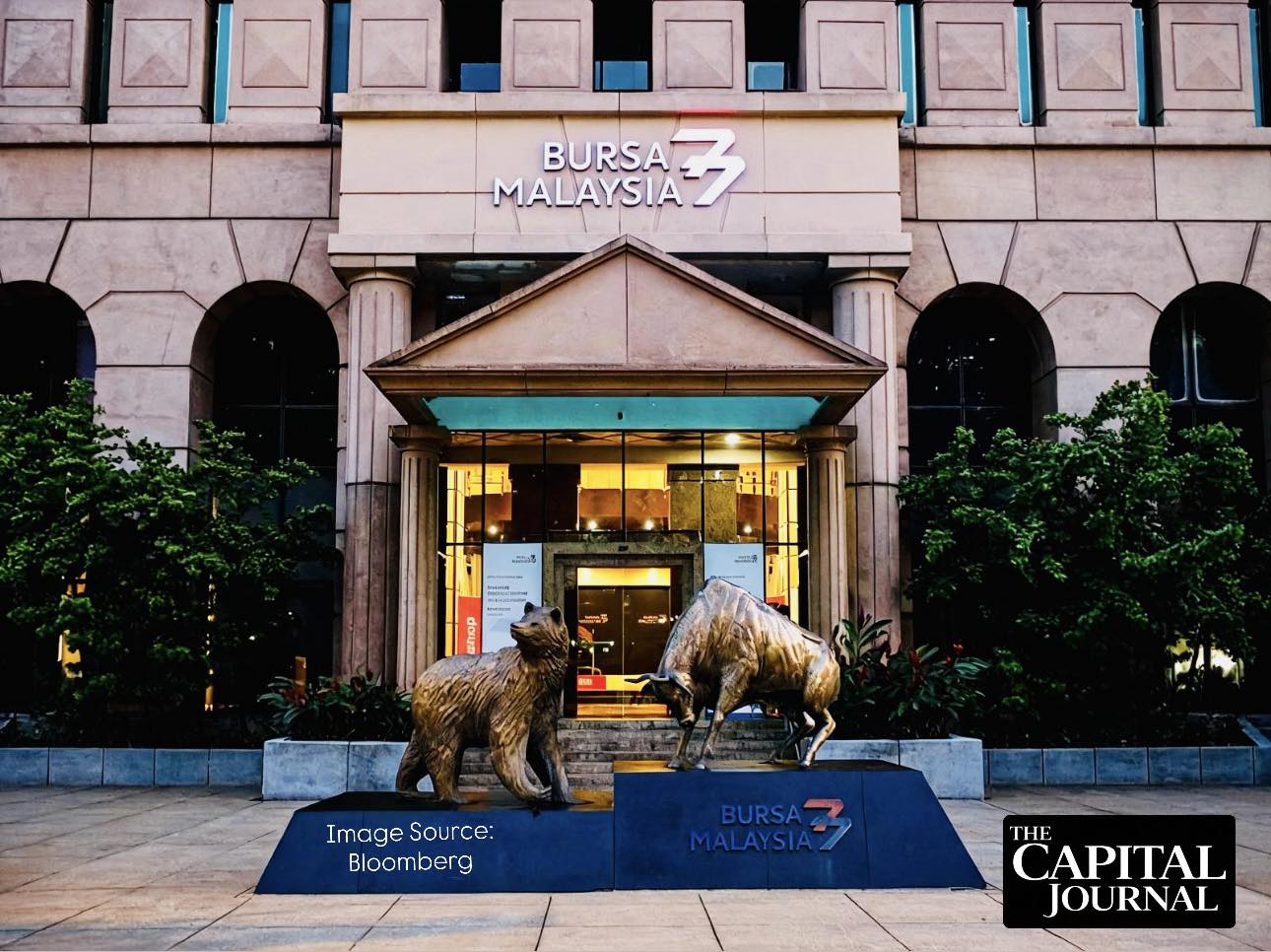
2019 | SDS was listed on Bursa Malaysia ACE Market and later transferred to the Main Market in 2023. |
2020 | London Biscuits Berhad entered liquidation, with its Plentong assets sold to Pacific Petcare backed by Mamee Double Decker. |
2024 | SDS acquired the Plentong bakery assets for RM28 million, integrating production capabilities. |
2026 | Employees Provident Fund reduced its stake in SDS below 5%, signalling institutional exit. |
Context
SDS Group Berhad represents a case where operational improvement does not necessarily translate into market valuation gains. Its acquisition of distressed assets from London Biscuits improved internal efficiency, yet investor sentiment moved in the opposite direction. This divergence highlights the distinction between operational optimisation and growth driven valuation in the equity market.
Deep Dive
In 1987, SDS Group Berhad was established by Tan Kim Seng and Tan Kim Chai as a bakery business in Johor. Over time, it expanded into a retail chain model, focusing on baked goods and casual dining offerings.
From 2008 to 2016, SDS expanded through acquisitions, including Top Baker and Daily’s, strengthening its product range and market presence. The company gradually built a network of outlets supported by centralised production.
In 2017, SDS commissioned a production facility in Negeri Sembilan, marking a shift towards more centralised manufacturing. This allowed for improved control over quality and cost, while supporting network expansion.
In 2019, SDS was listed on the ACE Market and subsequently transferred to the Main Market in 2023. Store expansion continued, with production capacity scaling alongside retail growth.
In 2020, London Biscuits Berhad entered liquidation. Its Plentong manufacturing facility, including land, buildings, equipment and intellectual property, was acquired by Pacific Petcare with backing from Mamee Double Decker. The assets included a Swiss roll production line, while legacy brands were not revived.
In 2024, SDS Group Berhad acquired these Plentong bakery assets for RM28 million. The majority of the purchase price was attributed to land and buildings, with a smaller portion covering machinery, production lines and formulations. The Swiss roll production capability was integrated directly into SDS operations.
From 2024 to 2025, SDS utilised the acquired assets to internalise production. Previously outsourced products were brought in house, reducing dependency on third parties. This led to improved cost efficiency and better margin control, particularly for high volume items.
In 2025, SDS reported net profit of RM33.28 million, reflecting operational improvement. However, revenue growth remained tied to store expansion, which is constrained by factors such as rental costs, labour availability and consumer demand.
In 2026, Employees Provident Fund reduced its shareholding in SDS below the 5% disclosure threshold. The exit occurred despite improving profitability, suggesting that institutional investors prioritised growth prospects over efficiency gains.
Key Takeaway
The SDS case illustrates a recurring pattern in capital markets. Efficiency improvements enhance profitability but do not necessarily increase valuation unless accompanied by growth. The recycling of distressed assets from London Biscuits into SDS operations demonstrates how physical assets retain value even as corporate entities fail. Ultimately, markets reward expansion potential more than operational optimisation alone.
FAQs
1. What did SDS acquire from London Biscuits?
It acquired a bakery facility including land, equipment and a Swiss roll production line.
2. Did SDS revive the London Biscuits brand?
No, it integrated the assets into its own brand and operations.
3. Why did SDS profitability improve?
Internalising production reduced costs and improved margins.
4.Why did EPF reduce its stake despite better earnings?
Growth prospects remained limited, affecting valuation expectations.
5. What is the broader lesson from this case?
Operational efficiency alone is insufficient to drive market valuation without growth.