
Timeline | Description |
1950 | Khee San Berhad was founded, producing sweets and snacks including the Fruit Plus brand. |
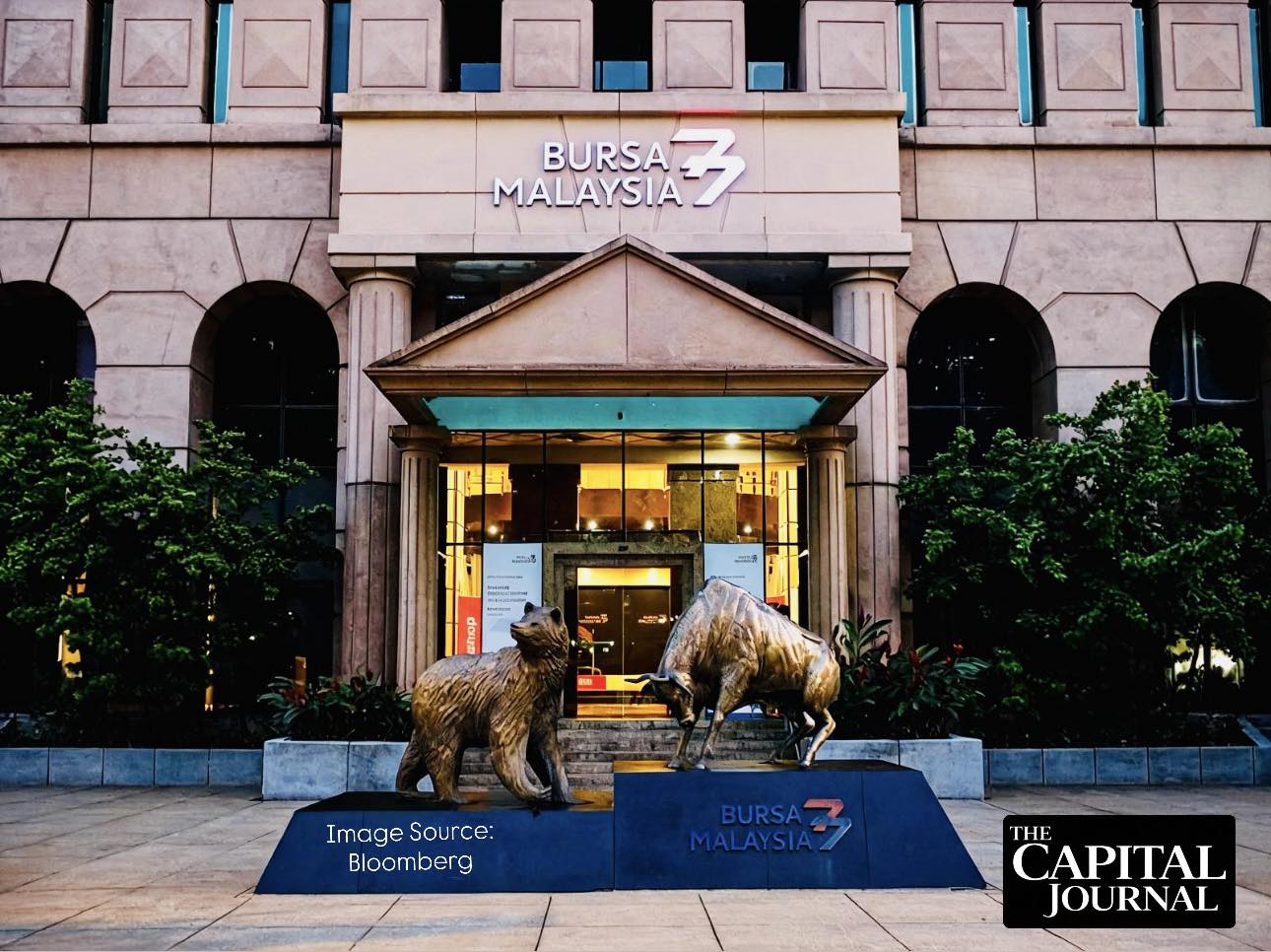
1996 | Khee San was listed on Bursa Malaysia, marking its transition into a public company. |
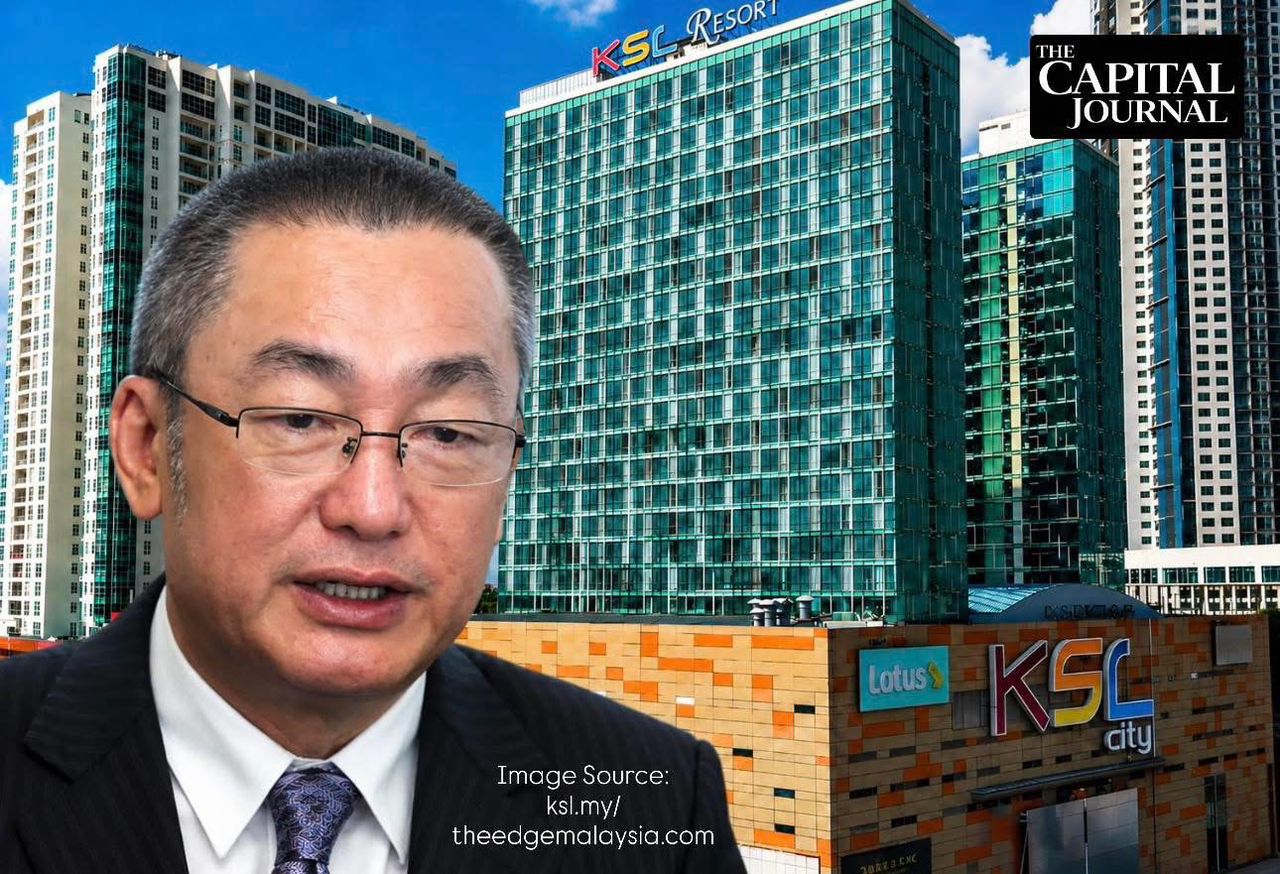
2007 | Liew Yew Chung, via London Biscuits Berhad, acquired control of Khee San, integrating it into a broader food group. |
2009 | Capital expenditure increased significantly, expanding manufacturing capacity across multiple locations. |
2019 | Khee San defaulted on RM73.5 million in bank loans amid financial strain linked to group level issues. |
2021 | A key subsidiary entered judicial management, triggering PN17 classification. |
2025 | Debt restructuring was completed through equity fundraising and settlement with creditors. |
2026 | Khee San announced readiness to exit PN17 following financial restructuring. |
Context
Khee San Berhad has long been associated with Malaysia confectionery sector, with products such as Fruit Plus becoming household names. Its journey from a traditional sweets manufacturer to a financially distressed entity and subsequent restructuring reflects the risks of leveraged expansion and interconnected corporate structures.
Deep Dive
In 1950, Khee San Berhad was established as a producer of confectionery products, including hard candy, gummies and wafers. Over the decades, it built a strong domestic presence, with brands such as Fruit Plus becoming widely recognised among Malaysian consumers.
In 1996, the company was listed on Bursa Malaysia, providing access to public capital and supporting expansion. For many years, it operated as a relatively stable manufacturer within the local food industry.
In 2007, a significant shift occurred when Liew Yew Chung, through London Biscuits Berhad, acquired a controlling stake in Khee San. This move was part of a broader strategy to build an integrated food platform spanning cakes, biscuits and confectionery. Management roles overlapped significantly, with Liew holding leadership positions across both entities.
From 2009 to 2013, the group undertook aggressive capital expenditure. Investments in plant and machinery increased by approximately 65%, expanding production capacity across multiple industrial locations, including Johor and Selangor. While this supported growth ambitions, it also increased financial leverage and operational complexity.
From 2014 to 2018, underlying risks began to emerge. The expansion was not matched by proportional revenue growth, and the group reliance on debt financing increased. The interconnected structure between Khee San and London Biscuits Berhad further amplified financial exposure.
In 2019, Khee San disclosed that it had defaulted on approximately RM73.5 million in bank loans involving multiple financial institutions. The company indicated that funds intended for repayment had been redirected within the group, highlighting liquidity pressures. During the same period, London Biscuits entered its own financial crisis and reduced its stake in Khee San.
In 2021, a key subsidiary of Khee San was placed under judicial management following action by Maybank Islamic. As the subsidiary represented a significant portion of group assets, the event triggered PN17 classification, placing the company under financial distress status.
From 2022 to 2025, Khee San engaged in negotiations with creditors and implemented a restructuring plan. This included equity fundraising and debt settlement arrangements. In December 2025, the company raised RM77.12 million through a share placement, using RM51.43 million for cash repayment and settling RM21.06 million through share issuance. In total, approximately RM72.49 million of debt was restructured.
In 2026, Khee San Berhad announced that it had completed its restructuring efforts and was preparing to exit PN17 status. The process also included capital reduction to offset accumulated losses and stabilise its balance sheet.
Key Takeaway
Khee San experience highlights the risks associated with rapid expansion under leveraged and interconnected corporate structures. While capital investment can accelerate growth, insufficient cash flow discipline and governance oversight can undermine long term sustainability. The eventual restructuring underscores the importance of aligning operational performance with financial structure, particularly in manufacturing industries where margins are sensitive to cost and scale.
FAQs
1. What is Khee San known for?
It is known for confectionery products such as Fruit Plus and other sweets.
2. Why did Khee San face financial difficulties?
Aggressive expansion and debt, combined with group level financial issues, strained its cash flow.
3. What role did London Biscuits play?
It acquired and controlled Khee San, creating overlapping management and financial exposure.
4. What triggered PN17 status?
A subsidiary entering judicial management due to loan defaults led to financial distress classification.
5. How did Khee San recover?
Through debt restructuring, equity fundraising and balance sheet adjustments, it stabilised its finances.