Timeline | Description |
1993 to 1994 | Tong Kooi Ong built PhileoAllied Bank through acquisitions and regulatory positioning. |
1995 to 1996 | Launch of PALDIRECT and digital banking innovations ahead of global adoption. |
2001 | PhileoAllied Bank was sold to Maybank during forced banking consolidation. |
2002 to 2008 | Tong shifted into media, building The Edge Malaysia and restructuring Nexnews. |
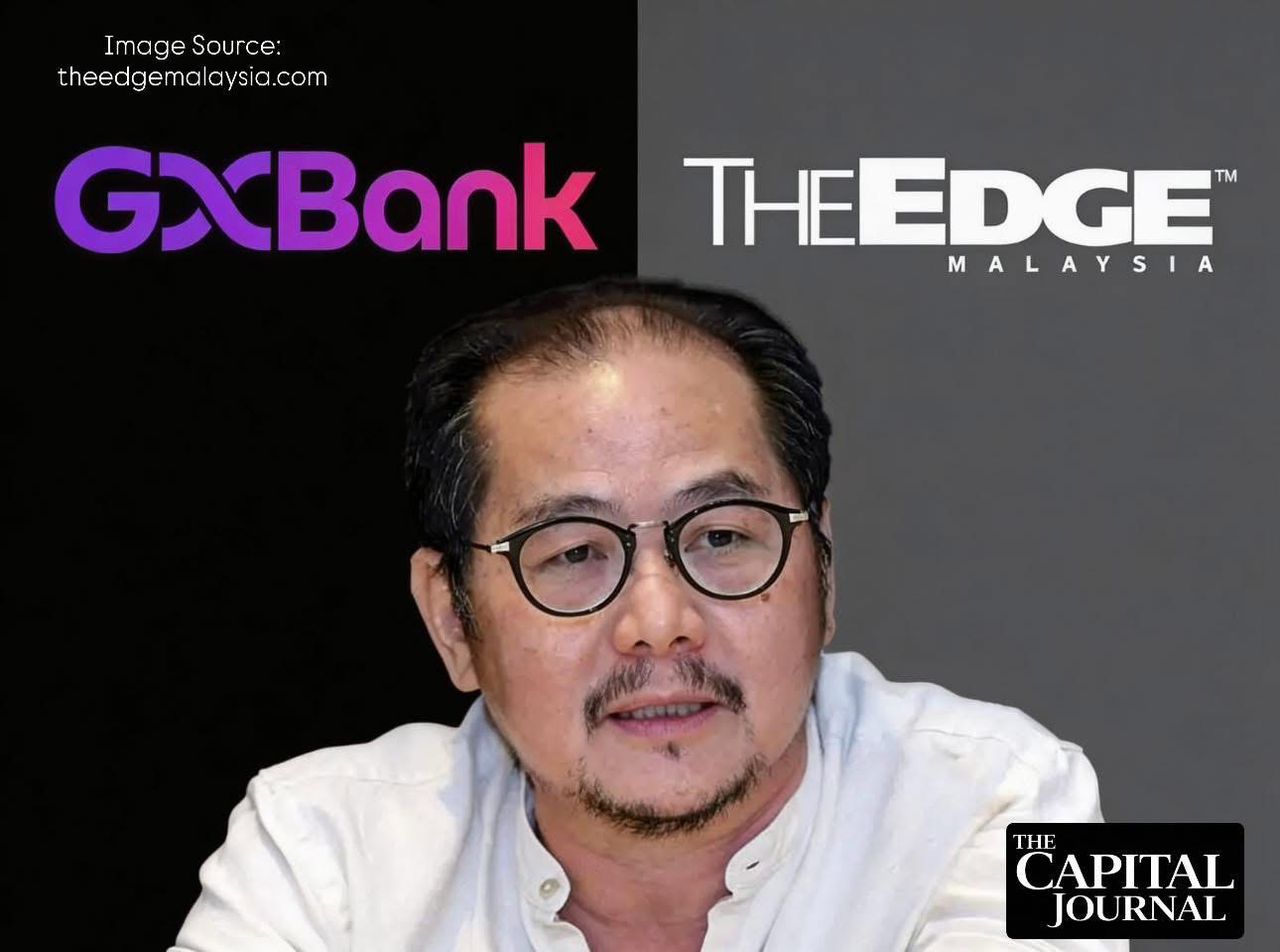
2023 | GX Bank launched with Tong as a shareholder, reflecting revival of earlier digital banking vision. |
Context
In Malaysia’s financial history, few stories capture the tension between innovation and regulation as clearly as the rise and fall of PhileoAllied Bank.
Built by Tong Kooi Ong in the early 1990s, the bank pioneered digital financial services long before such models became mainstream. Its eventual sale to Maybank in 2001 marked a premature end to what could have been a defining institution in Southeast Asia’s digital banking landscape.
More than two decades later, the emergence of GX Bank signals a revival of that original vision, albeit in a different structural and regulatory environment.
Deep Dive
In 1993, Tong Kooi Ong began assembling a financial platform through PhileoAllied Berhad. The process started with the acquisition and restructuring of Linatex Process Rubber, followed by the integration of Petra Finance and Phileo Peregrine Securities.
A critical step was the takeover of Co-operative Central Bank, a distressed institution that provided access to a valuable commercial banking licence. This move reflected Tong’s early recognition that control over financial infrastructure would define future competitiveness.
In 1994, the group expanded further by integrating Malaysian operations of United Overseas Bank and establishing PhileoAllied Bank. The strategy combined rapid consolidation with regulatory positioning to build a full service financial institution.
In the same year, Tong founded The Edge Malaysia. This dual expansion into banking and media was strategic. While the bank managed capital flows, the media platform controlled financial information, creating a complementary ecosystem.
In 1995, PhileoAllied Bank introduced PALDIRECT, an online banking and stock trading platform. At a time when internet adoption was still limited, the system enabled clients to execute trades remotely, effectively bypassing traditional brokerage intermediaries.
In 1996, the bank expanded its digital offerings with PALWORLD and oneACCOUNT, integrating transactional banking with investment and deposit features. These innovations significantly improved efficiency and challenged established banking practices.
In 1999, despite the lingering effects of the Asian financial crisis, PhileoAllied Bank reported a net profit of RM214 million. This demonstrated the commercial viability of its technology driven model.
In 2001, Malaysia underwent a government led banking consolidation exercise. Despite its performance, PhileoAllied Bank was not selected as a core anchor bank and was ultimately acquired by Maybank.
The outcome highlighted the limitations of innovation within a tightly regulated environment. Structural considerations outweighed technological advancement in determining the industry’s direction.
In 2002, following the divestment, Tong pivoted into media by acquiring Gemtech Resources and forming Nexnews. He injected The Edge Malaysia into the platform, while Vincent Tan contributed theSun newspaper.
This created a combined media entity balancing premium financial journalism with mass circulation. The model achieved significant reach, with daily circulation exceeding 300000 copies at its peak.
In 2008, strategic differences led to a split. Berjaya Corporation acquired control of Nexnews, which was later renamed Berjaya Media. Tong retained full ownership of The Edge Malaysia, which continued as an independent financial publication.
In 2020, Berjaya Media faced financial distress and was classified under PN17 before eventually being delisted from Bursa Malaysia. This marked the end of the joint media structure established nearly two decades earlier.
In 2023, a new chapter emerged with the launch of GX Bank. Backed by major regional players including Grab Holdings, Singtel, and Kuok Group, the bank represents a new generation of digital financial institutions.
Notably, Tong Kooi Ong holds a minority stake of 2.93% in GX Bank. While modest in size, the investment symbolically reconnects him to the digital banking space he helped pioneer decades earlier.
Key Takeaway
The trajectory from PhileoAllied Bank to GX Bank illustrates how innovation can precede its time. Tong Kooi Ong introduced digital banking concepts long before regulatory frameworks and market readiness could support them.
Although his original platform was absorbed into the traditional banking system, the underlying ideas persisted. The rise of GX Bank demonstrates that technological vision, even when disrupted, can re emerge under more favourable conditions.
FAQs
1. What made PhileoAllied Bank unique?
It introduced early digital banking and online trading platforms ahead of global adoption.
2. Why was the bank sold to Maybank?
Due to government led consolidation of the banking sector in 2001.
3. What is PALDIRECT?
An early online banking and stock trading system developed by PhileoAllied Bank.
4. What did Tong Kooi Ong do after exiting banking?
He built a major financial media platform centred around The Edge Malaysia.
5. How is GX Bank connected to this story?
Tong is a shareholder, linking his early digital banking vision to its modern execution.