Timeline | Description |
1993 | Makro entered Malaysia with a cash and carry wholesale model, targeting registered business operators. |
2002 | Tesco partnered with Sime Darby to establish a hypermarket platform. |
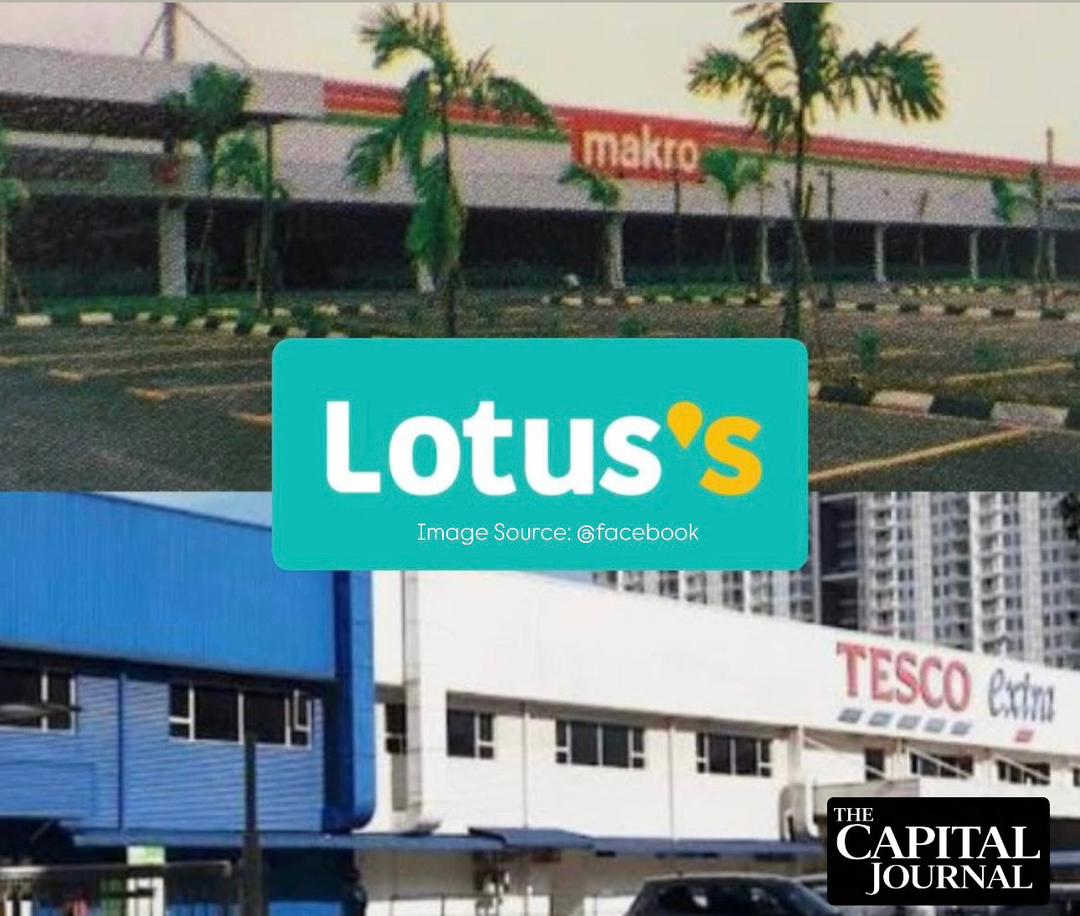
2006 | Tesco acquired Makro Malaysia and converted its wholesale outlets into mass market hypermarkets. |
2020 | CP Group acquired Tesco Malaysia through CP Axtra in a USD10.6 billion regional deal. |
2021 | Tesco Malaysia was rebranded as Lotus’s Malaysia, marking a shift towards integrated retail operations. |
2026 | CP Axtra acquired The Food Purveyor, expanding into premium grocery segments. |
Context
Malaysia grocery retail industry has undergone a structural evolution shaped by regulation, capital and supply chain efficiency. From wholesale distribution to hypermarkets and now integrated multi format ecosystems, each phase reflects a deeper layer of competitive sophistication. The transformation of Lotus’s Malaysia illustrates how successive acquisitions have repositioned the business from a standalone retailer into a central node within a broader regional supply chain.
Deep Dive
In 1993, Makro entered Malaysia under a wholesale cash and carry model. Its operations were restricted to registered businesses, requiring proof of company registration for access. This structure complied with regulatory requirements and allowed foreign participation without directly competing with local small retailers.
From 1993 to 2000, Makro began to encounter structural limitations. While its model shortened distribution channels, local businesses preferred suppliers offering credit terms and delivery services. At the same time, emerging hypermarkets such as Giant and Carrefour attracted end consumers with open access and competitive pricing. Makro focus on bulk goods limited its relevance to household consumption, leading to stagnation.
In 2002, Tesco entered Malaysia through a joint venture with Sime Darby. This partnership enabled efficient access to land and regulatory approvals, accelerating store rollout. Tesco positioned itself as a mass market hypermarket operator, capturing broad consumer segments.
In 2006, Tesco acquired Makro Malaysia for approximately RM300 million. The acquisition marked a strategic pivot from wholesale to retail. Membership requirements were removed and warehouse style outlets were converted into Tesco Extra hypermarkets, significantly expanding consumer reach.
In 2020, CP Group acquired Tesco Malaysia and Thailand operations through CP Axtra. This transaction, valued at USD10.6 billion, represented a major consolidation within Southeast Asia retail sector and positioned CP Axtra as a regional retail platform.
In 2021, Tesco Malaysia was rebranded as Lotus’s Malaysia. Under CP ownership, the business began integrating upstream supply chains, particularly leveraging CP Group strength in fresh food sourcing and private label production. This shift aimed to improve margins in a traditionally low margin sector.
In 2026, CP Axtra expanded its Malaysian footprint by acquiring The Food Purveyor for RM1.66 billion. The acquisition brought premium grocery brands such as Village Grocer, B.I.G, BSC Fine Foods and Pasaraya OTK into its ecosystem, enabling segmentation across income groups.
Key Takeaway
The evolution of Lotus’s Malaysia reflects a transition from format driven competition to supply chain dominance. Early market entry was shaped by licensing structures and retail formats, but long term competitiveness now depends on procurement scale, logistics integration and multi segment positioning. By combining mass retail infrastructure with premium grocery platforms, CP Axtra is building a vertically integrated system capable of capturing value across the entire consumption spectrum.
FAQs
1. What was Makro original role in Malaysia retail?
It operated as a wholesale distributor serving registered businesses through a cash and carry model.
2. Why did Tesco acquire Makro Malaysia?
To convert wholesale operations into hypermarkets and expand into the consumer market.
3. What changed after CP Group acquired Tesco Malaysia?
The business was rebranded as Lotus’s and integrated into a broader supply chain driven retail system.
4. Why is The Food Purveyor acquisition important?
It allows CP Axtra to enter premium grocery segments and diversify its customer base.
5. What defines success in modern grocery retail?
Efficient supply chains, scale and the ability to serve multiple consumer segments under one ecosystem.