Timeline | Description |
1984 | Jaya Jusco Stores was established, opening its first store at Dayabumi and introducing Japanese retail practices. |
1996 | Jaya Jusco listed on Bursa Malaysia and established AEON Credit Service to expand into consumer financing. |
2004 | The company rebranded to AEON, aligning with global identity and consolidating ownership. |
2007 | AEON Credit Service was listed, forming a dual structure of retail and financial services within the group. |
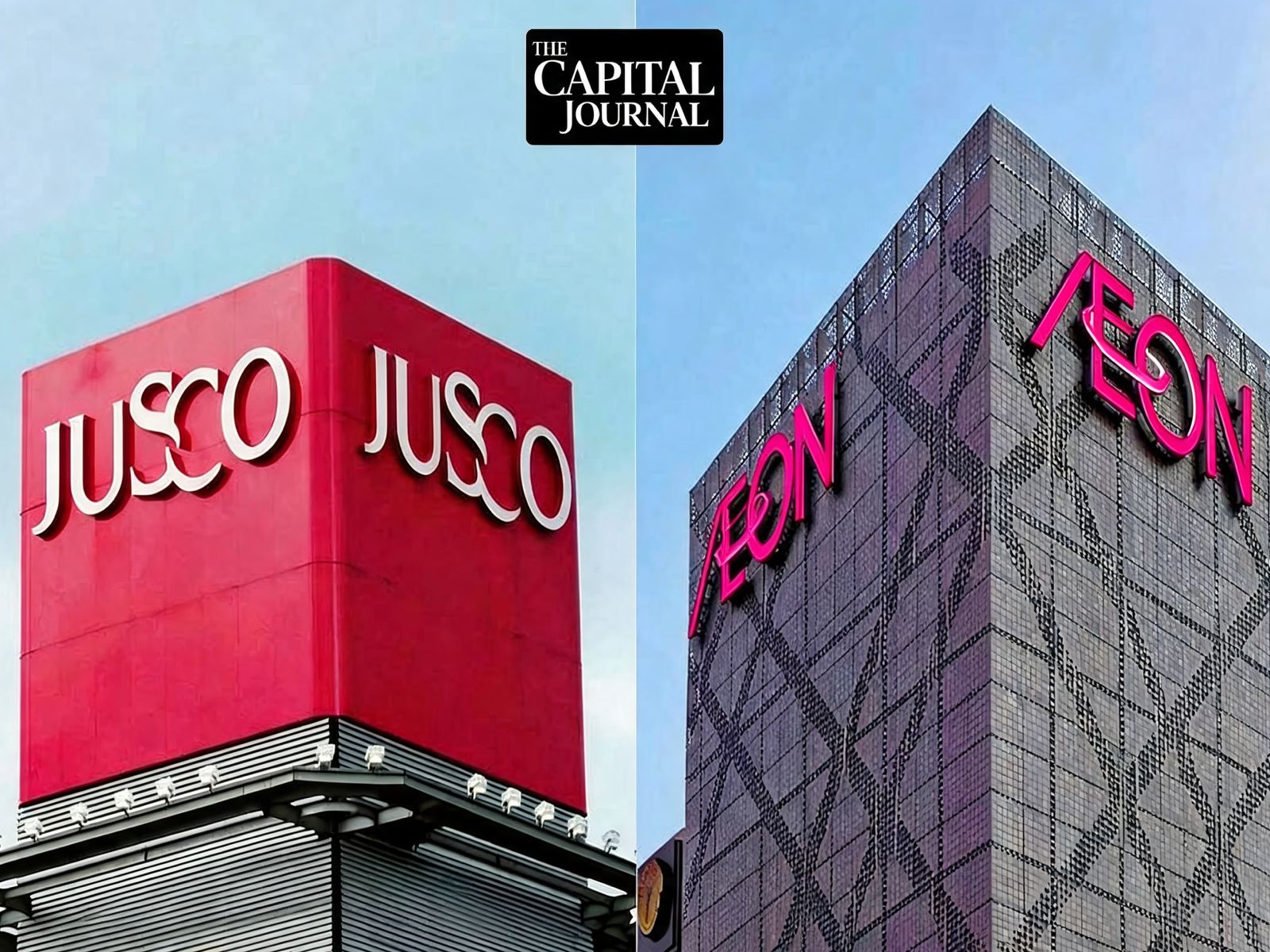
2012 | AEON acquired Carrefour Malaysia and rebranded it as AEON BiG, while standardising all Jusco outlets under the AEON name. |
2022 | Bank Negara Malaysia awarded a digital banking licence to AEON led consortium. |
2024 | AEON Bank commenced operations, completing the group financial ecosystem. |
Context
AEON Malaysia represents one of the most comprehensive retail transformations in the country history. From its origins as a Japanese department store operator, it evolved into a multi layered ecosystem integrating retail, finance and lifestyle services. Its trajectory highlights how long term customer relationships can be monetised across multiple verticals.
Deep Dive
In 1984, Jaya Jusco Stores was established under Malaysia Look East policy. The first store opened at Dayabumi in Kuala Lumpur, introducing Japanese retail standards, including structured merchandising and service quality. This marked the beginning of a new retail experience for Malaysian consumers.
In 1996, the company was listed on Bursa Malaysia, providing capital for expansion. In the same year, it established AEON Credit Service. The objective was to enable consumers to purchase higher value goods through instalment plans. This move extended the business model beyond retail transactions into consumer financing, capturing additional value from its customer base.
From 1996 to 2004, AEON gradually strengthened its position in Malaysia by expanding its mall based retail model. Unlike department store operators reliant on concessionaire sales, AEON focused on a general merchandise store format that integrated groceries, apparel and household goods. This ensured consistent footfall and recurring customer engagement.
In 2004, the company rebranded to AEON, consolidating its corporate identity under the global brand. The restructuring also reflected increased ownership control by the Japanese parent, while maintaining participation from Malaysian institutional investors.
From 2004 to 2007, AEON expanded into complementary business segments. Subsidiaries such as AEON Delight and AEON Fantasy were introduced to enhance the retail environment. These businesses created additional touchpoints with consumers, extending engagement beyond traditional shopping.
In 2007, AEON Credit Service was listed, formalising a dual listed structure. This separated retail and financial operations while allowing both segments to scale independently. The model strengthened capital access and diversified revenue streams.
In 2012, AEON acquired Carrefour Malaysia for approximately RM750 million, rebranding it as AEON BiG. This expanded its presence into hypermarkets and broadened its customer base. At the same time, all Jusco branded outlets were unified under the AEON name, reinforcing brand consistency.
In 2022, Bank Negara Malaysia awarded a digital banking licence to an AEON led consortium. This marked the group entry into regulated banking, building on decades of consumer credit experience.
In 2024, AEON Bank commenced operations. This development allowed AEON to directly access low cost deposits, reducing reliance on external funding for its lending activities. It also enabled deeper integration between retail transactions, credit data and financial services.
Key Takeaway
AEON success lies in its ability to evolve from a retailer into a data driven ecosystem. By embedding financial services into retail operations, it transformed customer traffic into long term financial relationships. The addition of digital banking completes this structure, enabling control over both asset and liability sides of the balance sheet. In a competitive retail environment, this integration provides a durable advantage that extends beyond traditional merchandising.
FAQs
1. What was AEON original business in Malaysia?
It started as a Japanese style department store under the Jaya Jusco brand.
2. Why did AEON enter financial services?
To enable consumer financing and capture additional value from customer spending.
3. How is AEON different from traditional department stores?
It operates an integrated model combining retail, finance and lifestyle services.
4. What was the significance of acquiring Carrefour Malaysia?
It expanded AEON into the hypermarket segment and increased its market coverage.
5. What role does AEON Bank play?
It allows the group to collect deposits and lower funding costs while strengthening its financial ecosystem.