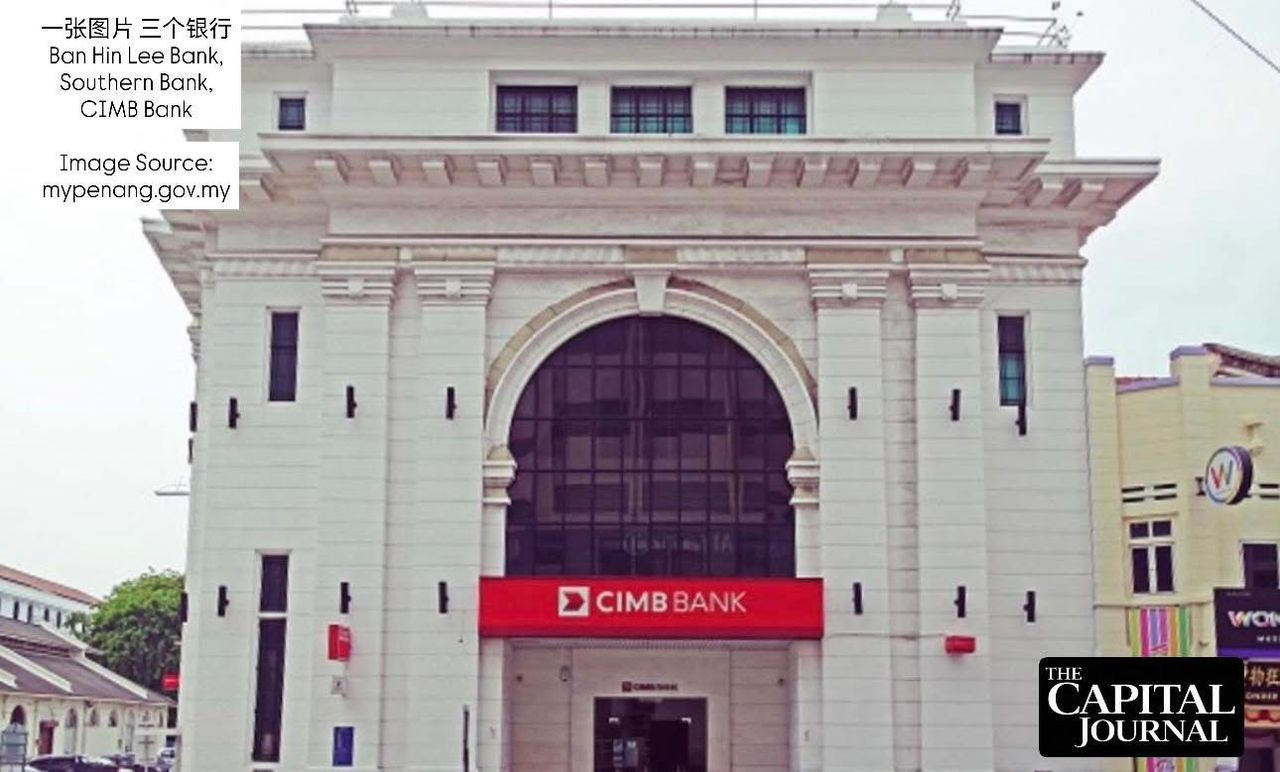
Timeline | Description |
1890 | Yeap Chor Ee arrived in Penang and built Chop Ban Hin Lee through tin mining and rubber trade before entering finance. |
1935 | Ban Hin Lee Bank was established as a privately owned bank focused on small and medium enterprises. |
1963 | Southern Bank was founded by leading Chinese businessmen under the new Malaysian regulatory framework. |
1970 to 2000 | Southern Bank expanded under Tan Sri Tan Teong Hean, becoming a highly profitable institution and listing in 1987. |
2000 | Southern Bank acquired Ban Hin Lee Bank and multiple finance companies, emerging as a major banking group. |
2006 | CIMB acquired Southern Bank after a takeover battle, reshaping Malaysia banking structure. |
Deep Dive
In 1890, Yeap Chor Ee arrived in Penang and founded Chop Ban Hin Lee which means “Firm of Ten Thousand Prosperities”, building his fortune through tin mining and rubber trade. His early success positioned him among the leading Chinese businessmen in the region. As demand for financing grew among smaller enterprises, he gradually expanded into financial services.
In 1935, Ban Hin Lee Bank was formally established as a privately owned institution. It became one of the few banks founded through sole proprietorship and developed strong ties with the local business community. The bank played a key role in supporting small and medium enterprises in Penang.
In 1963, Southern Bank was established in Penang by a consortium of prominent Chinese businessmen. It was among the earliest locally owned banks registered under Malaysia post independence regulatory framework. Together with Public Bank and Hong Leong Bank, it became a key pillar of Chinese controlled banking institutions in the country.
From 1970 to 2000, ownership of Southern Bank shifted as Tan Sri Loh Boon Siew and Tan Sri Lim Goh Tong transferred their stakes to Tan Sri Tan Teong Hean. Over the next three decades, Chan implemented disciplined management and focused on profitability and asset quality. In 1987, Southern Bank was listed on the Kuala Lumpur Stock Exchange, reinforcing its position as a leading domestic bank.
In 1991, Ban Hin Lee Bank was listed on the Kuala Lumpur Stock Exchange(KLSE), marking a transition towards a more structured and competitive organisation. The listing enabled expansion, with its branch network growing to 48 locations across Peninsular Malaysia, East Malaysia and Singapore. This reflected its ambition to scale beyond its regional base.
In 1997, the Asian financial crisis exposed structural weaknesses across Southeast Asia financial systems. The Malaysian government initiated a consolidation programme to strengthen the banking sector and reduce fragmentation. Southern Bank demonstrated resilience during the initial phase, maintaining stability amid market volatility.
In 2000, Southern Bank acquired Ban Hin Lee Bank after 82 years of operation. It also absorbed United Merchant Finance, later restructured as Southern Finance, alongside Cempaka Finance, Perdana Finance and Perdana Merchant Bankers. These acquisitions significantly expanded its asset base and positioned it among Malaysia major banking groups.
In 2006, Southern Bank entered merger discussions with Alliance Bank to strengthen its competitive position. However, CIMB intervened with a takeover proposal, targeting Southern Bank established customer base and consistent financial performance. The initial offer of RM4.25 per share was below the market price of RM4.50 and the RM5.00 valuation by Goldman Sachs, leading to rejection.
In 2006, CIMB shifted its strategy by acquiring shares from the open market and key stakeholders. A critical move came when it secured a 7.6% stake from Temasek Holdings. This increased its shareholding beyond 40%, crossing the mandatory general offer threshold and effectively securing control.
In 2006, Tan Sri Chan Kong Choy lost control of Southern Bank after leading it for three decades. The transition marked the end of an entrepreneur driven banking institution as ownership shifted to a larger financial group.
In 2006, the acquisition was completed and Southern Bank was integrated into CIMB. The enlarged group surpassed Public Bank in asset size, reaching approximately RM160 billion and becoming the second largest banking group in Malaysia. The number of major Chinese controlled banks was reduced significantly.
Key Takeaway
The consolidation of Southern Bank illustrates how scale, policy direction and capital strength ultimately reshaped Malaysia banking landscape, bringing an end to relationship driven institutions that once defined an earlier era.
FAQs
1. Why was Ban Hin Lee Bank important in early banking history?
It played a key role in financing small and medium enterprises and was deeply rooted in the Penang business community.
2. What made Southern Bank successful before its acquisition?
It maintained strong profitability, disciplined management and consistent asset quality over several decades.
3. Why did Malaysia push for banking consolidation after 1997?
The government aimed to strengthen financial resilience and reduce fragmentation in the banking sector.
4. Why did Southern Bank reject the initial CIMB offer?
The offer was below both the market price and independent valuation, leading to concerns of undervaluation.
5. What was the impact of CIMB acquisition of Southern Bank?
It reshaped the banking landscape and created one of the largest financial groups in Malaysia.