
Timeline | Description |
2019 | KKV launched its first store in China and began scaling as a lifestyle retail concept. |
2020 | MR DIY Group Berhad listed on Bursa Malaysia, cementing its position as a domestic retail leader. |
2024 | MR DIY acquired a 49 percent stake in KKV Supply Chain Sdn Bhd to enter the mid income retail segment. |
2025 | KKV accelerated expansion across Malaysia despite early stage losses, supported by strong sales productivity. |
2026 | KKV reached 20 stores in Malaysia, marking nationwide expansion including East Malaysia. |
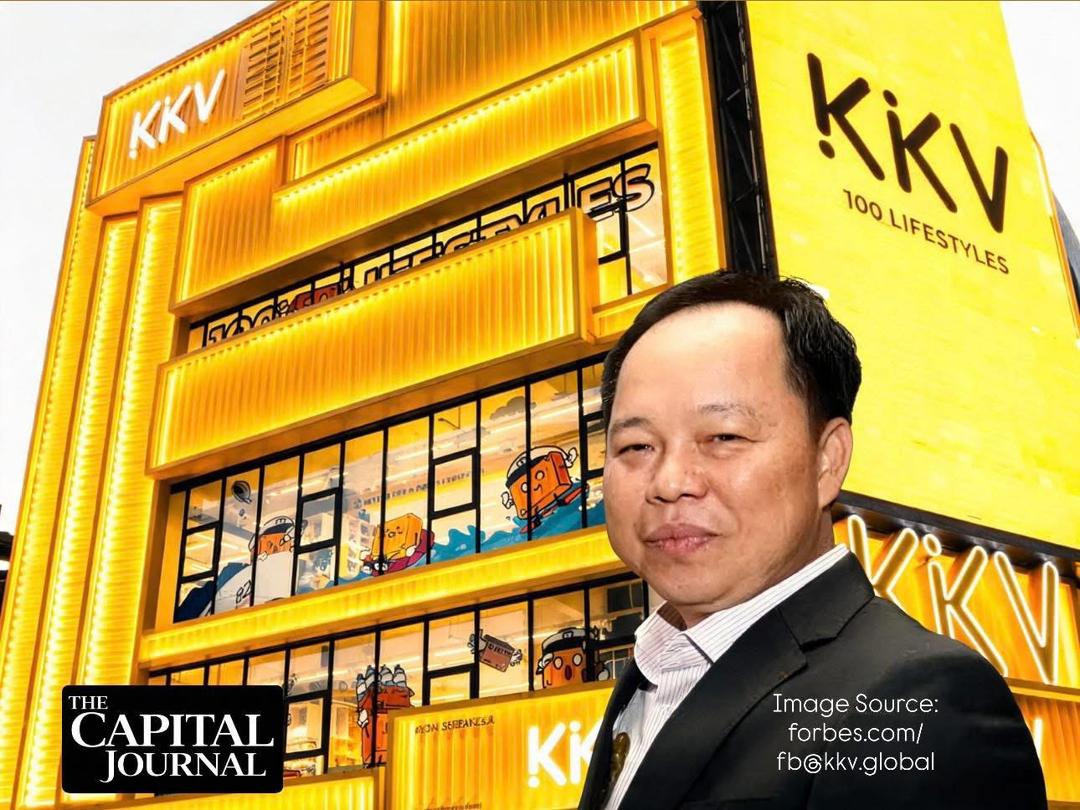
In January 2024, a striking yellow retail structure appeared along Jalan Bukit Bintang, marking the Malaysian debut of KKV, a lifestyle retail brand under KK Group. The four storey flagship, designed with a container industrial theme and bold yellow palette, quickly became a social hotspot in Kuala Lumpur.
Inside, the store features a warehouse style layout with more than 20,000 stock keeping units across categories such as beauty, snacks, toys, and stationery. Entry prices begin at RM2.90, positioning the brand as affordable yet aspirational. Since its launch in China in 2019, KKV has expanded to over 700 stores globally, becoming one of the leading offline lifestyle retail players.
Meanwhile, MR DIY Group Berhad, founded by Tan Yu Yeh and Tan Yu Wei, has built its reputation as Malaysia’s dominant home improvement and value retail chain. Listed in October 2020, the company has consistently targeted the lower income B40 segment through affordable household and hardware products. By 2026, its market capitalisation has stabilised around RM15 billion, supported by a vast nationwide store network.
In 2020, MR DIY Group Berhad completed its listing on Bursa Malaysia, marking a significant milestone in its corporate journey. The company focused on rapid domestic expansion, leveraging strong supplier relationships and cost efficiencies to dominate the value retail segment. Its growth strategy was anchored in accessibility and affordability, primarily serving price sensitive consumers.
In 2024, MR DIY Group Berhad made a strategic move by acquiring a 49 percent stake in KKV Supply Chain Sdn Bhd, as disclosed through data referenced by JPMorgan and the Companies Commission of Malaysia. This investment marked its entry into the higher value lifestyle retail segment, targeting the M40 income group. The partnership positioned KKV as the operational vehicle for this transition, combining MR DIY’s infrastructure with KKV’s brand appeal.
From 2024 to 2025, KKV accelerated its expansion across Malaysia following the success of its Bukit Bintang flagship. The brand entered Penang through 1st Avenue Mall and outlined plans for additional outlets in the Klang Valley, Malacca, and Johor. Despite remaining loss making at the entity level, store level performance demonstrated strong sales intensity, with monthly revenues reportedly reaching three times that of an average MR DIY outlet.
In 2026, KKV opened its 20th Malaysian store at Bintang Megamall in Miri, Sarawak, marking its entry into East Malaysia. This milestone reflected a transition from a single flagship concept to a nationwide retail network. Malaysia has since become a key market within KKV’s Southeast Asia strategy, supported by its integration with MR DIY’s logistics and site selection capabilities.
The partnership between MR DIY Group Berhad and KKV represents a deliberate shift from volume driven value retail to experience driven lifestyle consumption, enabling the company to expand beyond its traditional customer base while optimising both traffic and margins.
1.What is KKV and who owns it?
KKV is a lifestyle retail brand under KK Group, offering a wide range of affordable consumer products with strong visual merchandising.
2.Why did MR DIY invest in KKV?
MR DIY aimed to penetrate the M40 segment and diversify beyond its traditional B40 customer base.
3.Is KKV profitable in Malaysia?
As of 2025, KKV Supply Chain Sdn Bhd remains loss making, though store level sales performance is strong.
4.How does KKV differ from MR DIY stores?
KKV focuses on lifestyle and experiential retail, while MR DIY emphasises functional and value driven products.
5.What is the growth potential of this segment?
Malaysia’s non grocery lifestyle retail market is estimated at RM75 billion, with only about 20 percent penetration by organised retail players.
Share this post :