
Timeline | Description |
1967 to 1986 | Ireka Corporation is founded by Datuk Lai Siew Wah and evolves into a design and build contractor. |
1996 | Groundbreaking of The Westin Kuala Lumpur marks entry into premium hospitality development. |
1998 | Asian financial crisis reshapes Bukit Bintang ownership landscape, intensifying competition. |
2003 to 2007 | The Westin Kuala Lumpur opens and is later monetised via asset injection into Aseana Properties. |
2010 to 2022 | Expansion challenges and financial strain lead to PN17 classification. |
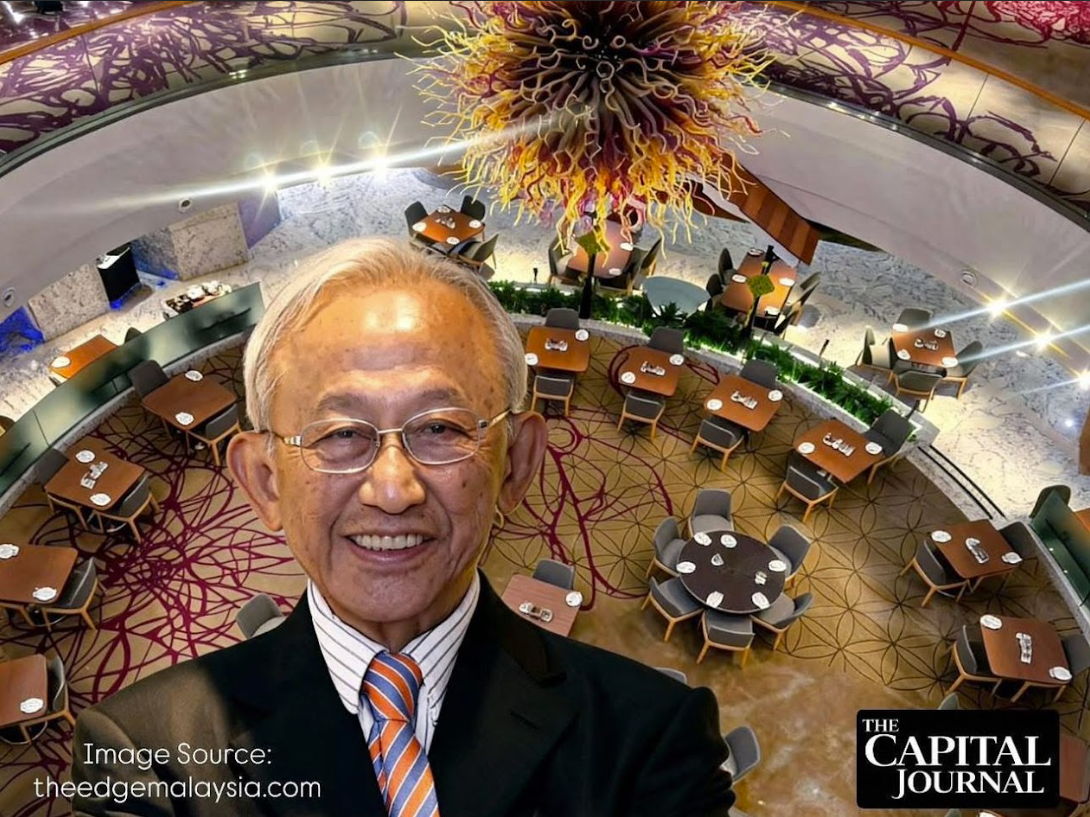
Along Jalan Bukit Bintang, Kuala Lumpur’s most prominent commercial corridor, a cluster of luxury hotels defines the city’s global image. Among them, The Westin Kuala Lumpur stands as both a hospitality landmark and a testament to the ambitions of Ireka Corporation.
Its development reflects a broader narrative of how local contractors transitioned into property developers, leveraging timing, capital, and urban transformation to reposition themselves within higher value segments.
In 1967, Ireka Corporation was founded by Datuk Lai Siew Wah as a small contractor operating from modest premises along Jalan Ipoh. The company’s early strategy was rooted in discipline and adaptability, aligning closely with Malaysia’s infrastructure expansion needs. Over time, it evolved from basic contracting into a more integrated construction entity.
In 1986, the company rebranded as Ireka Construction, signalling a shift towards design and build capabilities. This transition marked its intention to move beyond labour driven projects and establish itself as a creator of complex developments. The rebranding also reflected a broader ambition to participate in higher value segments of the construction industry.
In 1996, Ireka identified Bukit Bintang as a strategic location for premium development. With neighbouring projects such as The Westin Kuala Lumpur, JW Marriott, and The Ritz Carlton Kuala Lumpur emerging, the area was rapidly transforming into a luxury commercial hub. The company launched The Westin Kuala Lumpur project, positioning it as its flagship entry into high end hospitality.
In 1998, the Asian financial crisis disrupted Malaysia’s property market, forcing distressed asset sales across the sector. During this period, YTL Corporation acquired key assets including JW Marriott and Starhill, consolidating its presence in Bukit Bintang. This reshaped the competitive landscape, increasing the strategic importance of Ireka’s development within the district.
In 2003, The Westin Kuala Lumpur officially opened with 443 rooms, quickly establishing itself as a leading luxury hotel in the city. Its design and positioning enabled it to compete effectively within a cluster of international brands, demonstrating Ireka’s ability to execute beyond traditional construction roles.
In 2007, Ireka executed a major capital recycling strategy by injecting The Westin Kuala Lumpur into Aseana Properties, a London listed property investment vehicle. The transaction, valued at RM455 million, set a benchmark for hotel asset valuation in Malaysia, with an implied price of approximately RM1 million per room. This move highlighted the company’s capability to monetise assets at peak valuation.
In 2010, shifting property market dynamics prompted Ireka to diversify into new ventures, including mid market developments and urban mobility solutions. However, these initiatives required sustained capital investment and operational flexibility. The company’s complex capital structure and rising debt obligations limited its ability to execute these strategies effectively.
In 2022, Ireka Corporation was classified under PN17 due to financial distress, marking a significant turning point for a company that had once played a key role in shaping Kuala Lumpur’s skyline. This phase underscored the challenges of sustaining growth amid changing market conditions and financial constraints.
Ireka Corporation’s journey with The Westin Kuala Lumpur illustrates how strategic timing and asset monetisation can elevate a construction firm into premium real estate, but long term resilience depends on capital discipline and adaptability.
1.What is The Westin Kuala Lumpur known for?
It is a luxury hotel located in Bukit Bintang, forming part of Kuala Lumpur’s premier hospitality cluster.
2.Who developed The Westin Kuala Lumpur?
Ireka Corporation developed the hotel as its flagship entry into high end property development.
3.Why was the 2007 transaction significant?
It demonstrated strong asset monetisation, achieving a record valuation per hotel room at the time.
4.What challenges did Ireka face later?
Debt pressure and complex capital structures limited its ability to sustain expansion and diversification.
5.What is the significance of Bukit Bintang?
It is a key commercial and tourism hub, hosting major retail and hospitality assets that define Kuala Lumpur’s global image.
Share this post :