
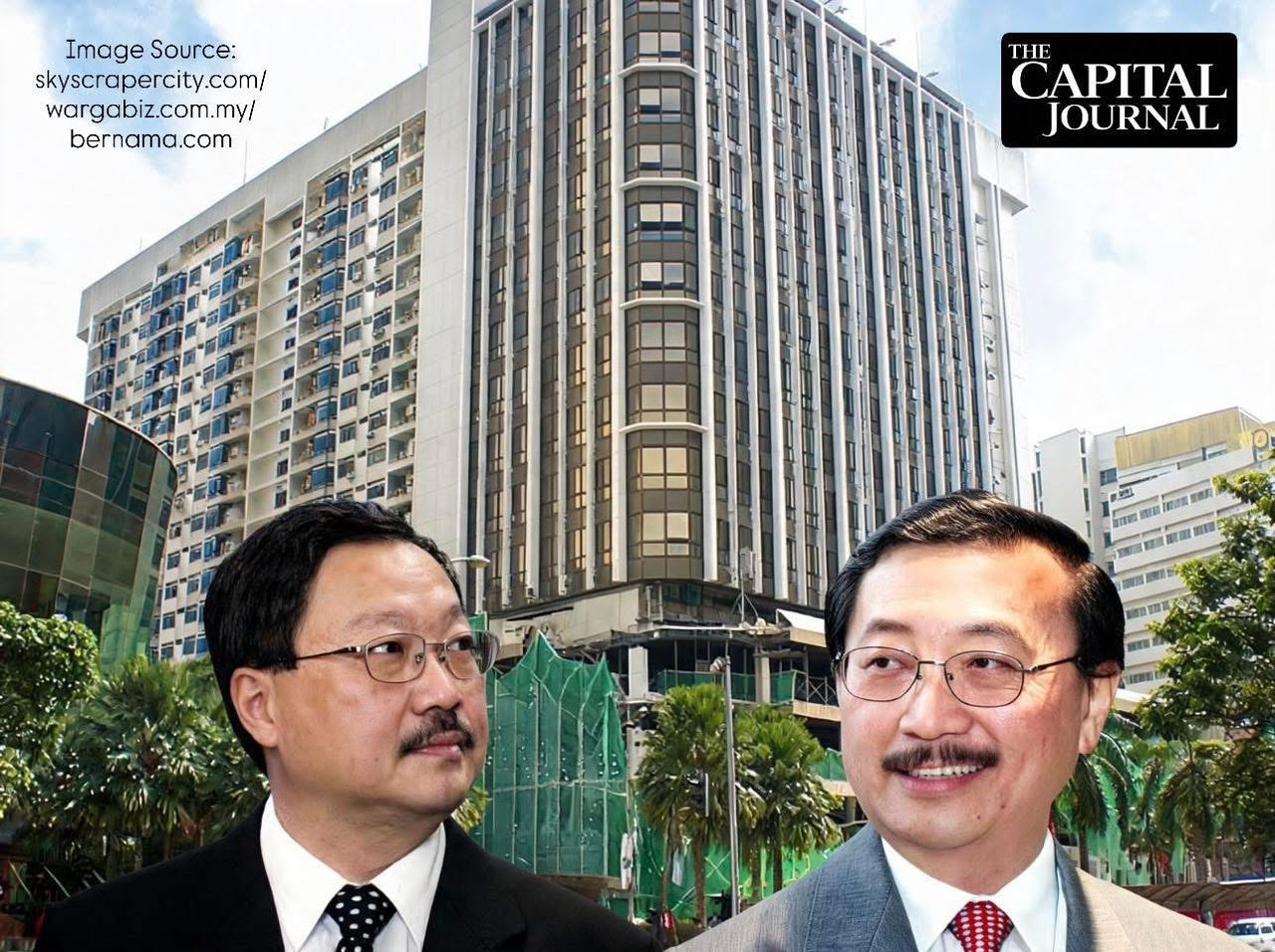
Timeline | Description |
1980s | KL Plaza was developed by Berjaya Group as a pioneering retail complex in Bukit Bintang. |
2007 | Berjaya Group sold the retail and residential components for 470 million amid rising asset valuations. |
2010 | The property was redeveloped and rebranded as Fahrenheit 88 with a youth focused retail positioning. |
2021 to 2026 | Asset repositioning through experiential retail and cultural programming revitalised its relevance. |
The transformation of Fahrenheit 88 reflects a broader evolution in Malaysian retail real estate, where ageing assets are repositioned rather than abandoned. Originally developed as KL Plaza by Berjaya Group in the 1980s, the property once stood at the forefront of Kuala Lumpur’s retail boom.
However, as neighbouring developments such as Pavilion Kuala Lumpur and Starhill Gallery raised the competitive bar, KL Plaza began to lose relevance. Its ageing infrastructure and outdated tenant mix made it increasingly difficult to compete within the rapidly evolving Bukit Bintang retail corridor.
In the 1980s, KL Plaza was established in Bukit Bintang as part of Berjaya Group’s integrated development strategy. Positioned within Kuala Lumpur’s prime retail belt, it benefited from strong footfall and proximity to major hospitality assets, becoming an early anchor in the city’s commercial landscape.
In 2007, Berjaya Group divested the retail and serviced apartment components of KL Plaza for 470 million at a time when property valuations were near cyclical highs. The buyer, Makna Mujur, placed the asset under the management of Kuala Lumpur Pavilion, effectively transferring operational responsibility to a specialist retail operator.
In 2007, despite the disposal, Berjaya Group retained ownership of the hotel component, later known as ANSA Hotel Kuala Lumpur. This selective divestment allowed the group to reduce operational burden while maintaining exposure to long term land value appreciation in a prime location.
In 2010, the ageing KL Plaza underwent a 100 million redevelopment and was rebranded as Fahrenheit 88. The repositioning strategy focused on creating a youth centric urban hangout, deliberately differentiating itself from the luxury positioning of Pavilion Kuala Lumpur.
In 2010, the mall secured the first Malaysian flagship store of Uniqlo, which became a key traffic driver and repositioned the mall within the fast fashion segment. This marked a turning point in attracting a younger consumer demographic.
In 2010, a critical structural enhancement was introduced through an underground pedestrian link connecting Fahrenheit 88 to Pavilion Kuala Lumpur. This integration improved footfall circulation, effectively merging previously fragmented retail zones into a cohesive consumer ecosystem.
In 2021, in response to post pandemic retail shifts, Fahrenheit 88 introduced the Hijau concept, a 22,000 square foot experiential space anchored by BookXcess. This initiative aimed to transform the mall into a lifestyle destination rather than a purely transactional retail space.
In 2024, the mall strengthened its experiential strategy by hosting major themed exhibitions, including a large scale showcase based on Attack on Titan. The installation of a prominent 3D LED facade further enhanced its visibility and appeal as a social media driven landmark.
In 2025, Fahrenheit 88 continued to build momentum through curated events such as themed exhibitions tied to Crayon Shinchan and Gundam, targeting niche but highly engaged consumer communities.
In 2026, the mall hosted anniversary events linked to Digimon Adventure, reinforcing its strategy of leveraging intellectual property driven experiences to sustain footfall and relevance among younger audiences.
The reinvention of KL Plaza into Fahrenheit 88 demonstrates that ageing retail assets can be successfully repriced through ecosystem integration, experiential programming, and sustained repositioning rather than one off redevelopment.
1.Why did Berjaya Group sell KL Plaza in 2007
The group monetised the asset at peak valuations while shifting focus to higher growth opportunities.
2.What made the Fahrenheit 88 repositioning successful
Its focus on youth driven retail, experiential spaces, and strategic tenant selection.
3.How important was the link to Pavilion Kuala Lumpur
It significantly improved footfall by integrating the mall into a larger retail ecosystem.
4.What role do events and exhibitions play today
They drive consistent traffic by offering experiences beyond traditional shopping.
5.What does this transformation say about retail strategy
Long term asset value is driven by continuous reinvention rather than static ownership.
Share this post :